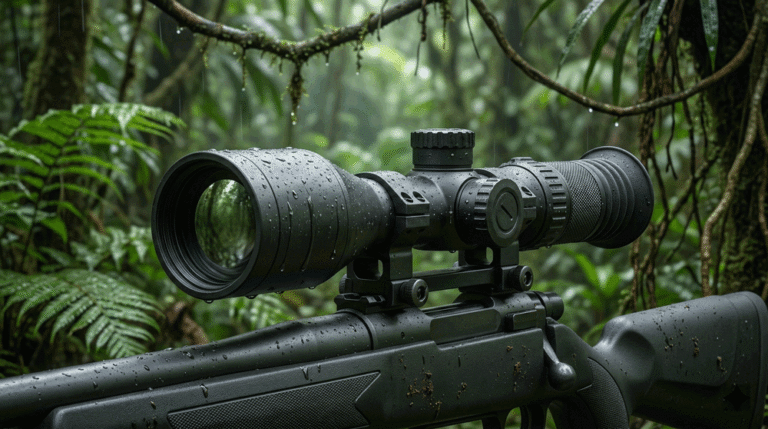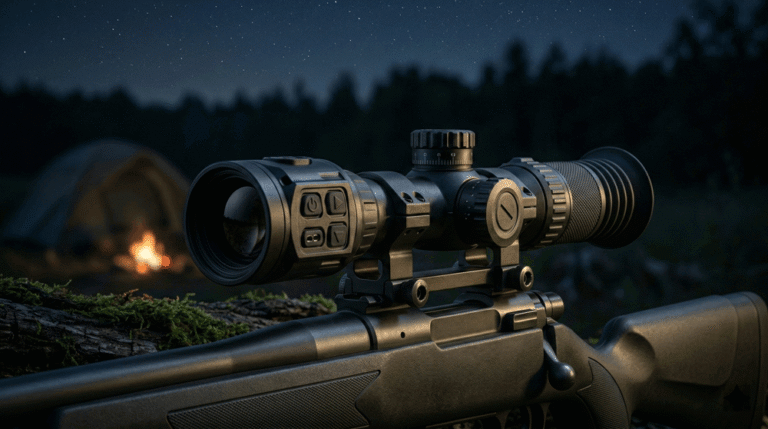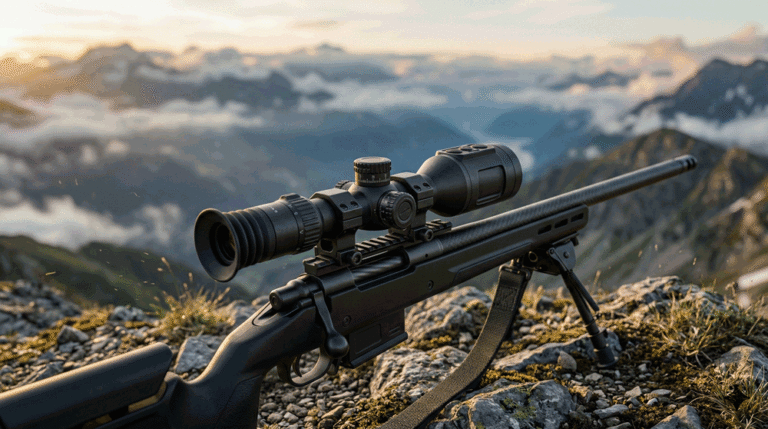
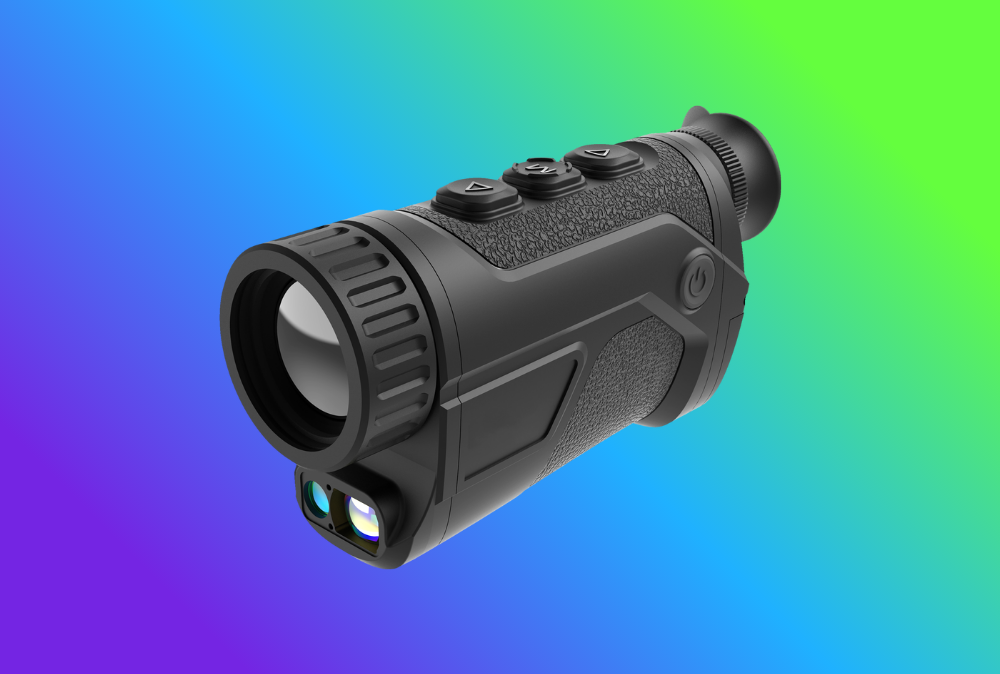
In the thermal optics world, the phrase best thermal monocular under 1000 describes a crowded but extremely profitable battlefield. Hunters, outfitters, security contractors, and patrol units all want solid performance without paying flagship prices. For private-label brands, this price ceiling is where volume lives.
Table of Contents
ToggleThe opportunity is real—but so is the risk. If you treat the thermal monocular under $1000 tier as a random mix of catalog models, you end up with overlapping SKUs, confused dealers, and margin-killing RMAs. If you treat it as a carefully planned roadmap, it becomes the engine that feeds users into your higher-end scopes, binoculars, and clip-ons.
This article lays out a practical price-point roadmap for private labels that want to own the “under 1000” category without turning their portfolio into a warehouse of unsorted SKUs. We’ll look at how to structure your budget thermal monocular family, what specs really matter at each tier, and how to brief OEM/ODM partners so the hardware and pricing strategy support each other.
1. Why the “Under 1000” Segment Matters So Much
For many buyers, four digits is a psychological barrier. Even serious users hesitate to cross it for their first thermal device. That’s why the affordable thermal monocular segment—from a few hundred dollars up to just under 1,000—is where most first-time thermal purchases happen.
From a private-label perspective, this segment matters for three reasons:
- Volume and repeat sales
Dealers sell far more entry level thermal monocular units than premium flagships. Once customers trust your brand at this level, they are more likely to upgrade later to higher-priced scopes and binoculars. - Portfolio anchor
The “under 1000” line sets the reference point for your whole brand. If your supposedly cheap thermal monocular feels toy-like, users assume your high-end devices are just expensive toys. If it feels professional, your premium devices look like logical next steps. - OEM leverage
Getting this tier right gives you stable forecast volumes, which in turn gives you stronger leverage when negotiating with factories. That leverage can be used to improve both your thermal monocular OEM/ODM costs and your quality requirements.
The key is to stop thinking in terms of one “magic” best thermal monocular under 1000, and instead think in terms of a ladder of clearly defined price points.
2. Defining “Best” in the Under-1000 Range
“Best” does not mean “stuffed with every possible feature.” It means “optimized for a specific user and mission while staying below the price ceiling with healthy margin.”
When you design a roadmap, ask four questions:
- Who is the primary user at each price step?
- What distances and environments do they actually work in?
- How does this model support your other products, such as Thermal Monoculars and rifle scopes?
- What must the device never fail at, even as a budget thermal monocular?
For example, a farmer who needs a simple thermal monocular for patrol teams guarding a yard at night cares more about battery life and robustness than about Wi-Fi streaming. A coyote hunter shopping for the best thermal monocular under 1000 wants clean detection of small animals at 300–600 m, not an extra palette or a smartphone app.
From these answers, you can define “best” differently at each step while maintaining a consistent brand feel.
3. Building a Price-Point Roadmap
A simple roadmap for the thermal monocular under $1000 segment might include three main brackets:
- 400–600: Accessible starter tier
- 600–800: Versatile main tier
- 800–999: Performance-focused upper tier
These are not strict rules, but they help structure your thinking.
3.1 400–600: Credible Entry-Level Tier
This tier should offer a genuinely usable entry level thermal monocular, not a toy. It’s the first thermal optic many of your customers will ever own.
Typical user: New hunters, farm owners, basic facility guards.
Core expectation: “It just works” for basic scanning out to 300–400 m.
At this level, consider:
- Sensor: 256×192 or 384×288 with 12 µm pitch.
- Lens: 15–19 mm for wide field of view and easy handholding.
- NETD: Good enough for clean silhouettes in typical weather (aim for <50 mK).
- Firmware: Simple menus, 2–3 zoom levels, a couple of practical palettes.
You should still insist on proper sealing and shock resistance; even the cheapest device that carries your logo must behave like a real tool. Cutting too deeply here turns your entire thermal monocular private label program into a credibility problem.
3.2 600–800: Workhorse Mid-Range Tier
This is where many brands place their true mid range thermal monocular workhorses. Users at this level are either serious hobbyists or professionals on a budget.
Typical user: Frequent hunters, outfitter staff, patrol officers.
Core expectation: Reliable detection and basic recognition out to 600–800 m, all-night usability.
Specs often move up to:
- Sensor: Solid 384×288 core, sometimes offering a 640×512 option at the top of the band.
- Lens: 19–25 mm or 25–35 mm depending on whether you prioritize field of view or range.
- NETD: Better than entry level, with more stable image processing.
- Features: Recording, basic Wi-Fi, picture-in-picture, more refined palettes.
Here, you can start to differentiate roles: a thermal monocular for hunting versus a unit tuned for perimeter security. But the hardware should still share as many components as possible to keep your bill of materials tight.
3.3 800–999: Performance-Oriented Upper Tier
The top of the “under 1000” range should feel like a clear step toward your premium optics. These units anchor your best thermal monocular under 1000 claim.
Typical user: Demanding hunters, guides, small tactical teams.
Core expectation: Strong recognition out past 800 m, refined ergonomics, robust build.
At this price, your spec package might include:
- Sensor: High-grade 384×288 or entry-level 640×512.
- Lens: 25–35 mm for hunters, or even 40 mm for users focused on spotting at distance.
- NETD: Low enough that image still looks clean in difficult weather.
- Features: Solid recording, reliable Wi-Fi, better battery system, elite build quality.
Avoid loading too many experimental or advanced features into this tier; those belong in true premium lines. The mission here is to be the best thermal monocular under 1000 for users who want professional feel on a capped budget.
4. Example Specification Ladder
A simple comparison table can help you visualize how the tiers stack:
| Tier (Street Price) | Target User Type | Sensor / Lens Example | Role in Portfolio |
|---|---|---|---|
| 400–600 | New users, light-duty guards | 256×192 or 384×288 / 15–19 mm | entry level thermal monocular |
| 600–800 | Serious hunters, patrol teams | 384×288 / 19–25 mm | Main mid range thermal monocular |
| 800–999 | Guides, high-usage operators | 384×288 or 640×512 / 25–35(40) mm | Flagship thermal monocular under $1000 |
You can adapt these bands to your local currency, but the logic remains: each step offers a clear, visible gain that dealers can explain in seconds.
5. Designing Platforms That Scale Across Tiers
A successful roadmap is not just about pricing—it’s about engineering platforms that can scale across multiple thermal monocular private label SKUs without exploding your complexity.
5.1 Building Around a Common Core
Where possible, use a common thermal imaging module and main PCB across several models. For example, multiple housings and lens combinations can revolve around one or two sensors. This is where working with a modular platform—similar in philosophy to the solutions on Thermal camera module—pays off.
Benefits include:
- Shared firmware base and UI, reducing development time.
- Easier certification and documentation.
- Better purchasing leverage on key components.
Within this framework, you can adjust lens, housing, battery configuration, and optional features to support each price point.
5.2 Lenses, Housings, and Feature Packs
Think in terms of feature packs that can be combined logically:
- Optical pack: 15–19 mm for entry, 19–25 mm for mid, 25–35 mm for upper.
- Housing pack: Basic water-resistant body for entry; more rugged rubberized body for higher tiers.
- Power pack: Simple internal battery for entry; hot-swappable packs for upper tier.
- Connectivity pack: No Wi-Fi at the bottom, optional at mid, standard at top.
When you brief your OEM, ask which combinations they already support and which would require new tooling. Often, you can sit on top of an existing thermal monocular OEM/ODM architecture while still building a differentiated roadmap.
5.3 Optional Rangefinder and Fusion Features
In the under-1000 segment, integrated laser rangefinders are often too expensive, but users still ask for distance. One strategy is to reserve LRF integration for the top of the band or for scopes while keeping monoculars simpler.
If you do plan to add distance features, you can reuse modules and integration concepts similar to those behind Laser Rangefinder Module and Rangefinder Module Integration. Just be careful: crossing 1,000 with too many extras might push the model into your upper portfolio, so decide early whether this tier needs rangefinding at all.
6. Commercial Logic: Margin, Mix, and Channel Strategy
A roadmap is only useful if it makes money. The best thermal monocular under 1000 for your brand is the one that keeps dealers happy, maintains margin, and turns inventory reliably.
6.1 Setting Target Margins by Tier
Generally:
- Entry tier: lower unit margin but higher volume, ideal for online and promotion-driven channels.
- Mid tier: strongest combination of volume and margin, main focus for dealers.
- Upper tier: slightly lower volume but higher gross profit per unit, often used as showroom demo anchor.
When negotiating factory pricing, work backwards from your target street price and retail margin. Make sure your OEM understands which tier is supposed to be your volume driver and where you can accept slightly lower or higher markups.
6.2 Channel Segmentation
Different price points suit different channels:
- Entry-level cheap thermal monocular units are often best suited to online sales, catalogue partners, and budget retailers.
- Mid and upper tiers fit specialty hunting stores, security dealers, and professional outfitters.
In your brief, explain your channel mix so the OEM understands why you insist on specific packaging, manuals, or accessory sets. For example, the upper tier might always ship with a higher-quality bag because it lives on display in stores.
6.3 Lifecycle Planning and Obsolescence
You should also decide how long each tier will live. Entry models may be refreshed more frequently as sensors get cheaper. Upper-tier thermal monocular under $1000 SKUs might stay in the line longer, with occasional firmware improvements.
Align this with your manufacturer’s roadmap and quality processes. Reviewing their approach to testing and traceability—like the ones described on Manufacturing & Quality—gives you confidence that updates won’t break what already works.
7. OEM/ODM Briefing Tips for the Under-1000 Category
When you talk to factories, a vague request like “we want your best thermal monocular under 1000” is guaranteed to produce generic proposals. Instead, share your roadmap and explain what each tier must achieve.
Key points to include:
- Clear price ceilings and target FOB prices per tier.
- Preferred sensor/lens combinations for each bracket.
- Non-negotiable quality items: IP rating, drop resistance, calibration testing.
- UI philosophy that mirrors your existing Thermal Monoculars or scopes.
- Expected annual volume per tier and by region.
Ask them to respond with platform suggestions and to highlight where their existing designs match your ladder. If you treat the project as a multi-tier roadmap from day one, you give your partner a reason to think beyond single SKUs.
8. Protecting Your Brand While Competing on Price
The biggest danger in the best thermal monocular under 1000 race is that competitors make aggressive range or feature claims using hardware that barely supports them. If you copy those claims blindly, your RMA department will suffer later.
Protect your brand by:
- Using conservative real-world detection and recognition ranges in marketing materials.
- Training dealers to explain differences between tiers clearly, rather than just pushing “higher spec numbers.”
- Maintaining consistent industrial design and UI feel, so even the cheapest unit feels part of a professional family.
Remember that users compare not just specs but how devices feel and survive over time. A rock-solid affordable thermal monocular at 600–700 can build more loyalty than an over-promised “super scope” at 999 that disappoints after one season.
9. CTA: Plan Your Under-1000 Thermal Monocular Roadmap
Owning the “under 1000” segment is not about finding a single magic model. It is about designing a clear price ladder, aligning specs with real user needs, and working with an OEM partner who understands private-label constraints.
If you are planning your next best thermal monocular under 1000 lineup and want to turn scattered ideas into a structured roadmap, explore the handheld platforms in our Thermal Monoculars range, review how we approach Why Choose Us and Manufacturing & Quality, then contact our team to discuss a tailored thermal monocular private label plan that fits your markets, channels, and long-term margins.