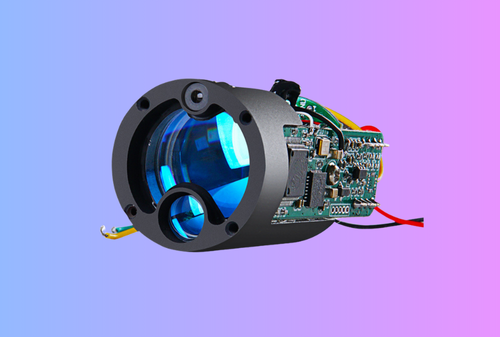
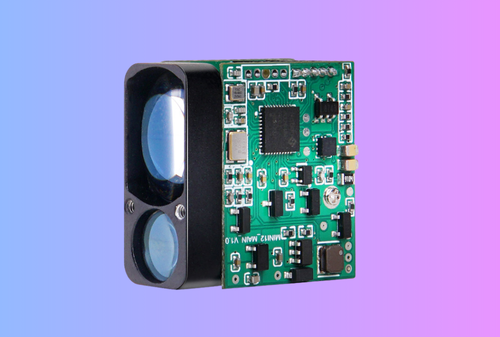
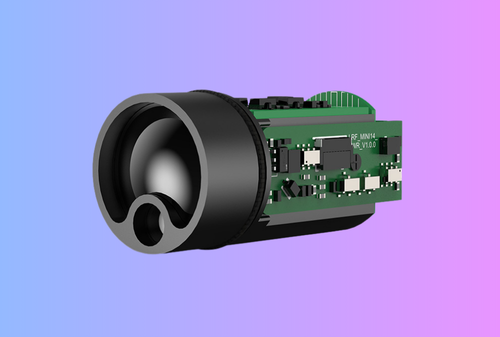
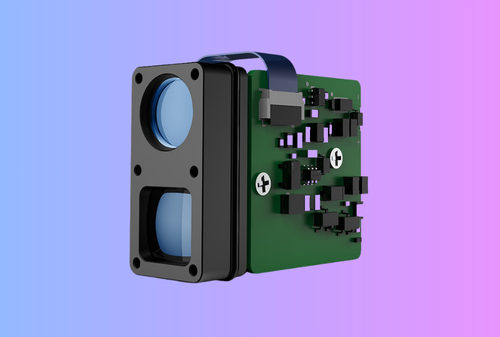
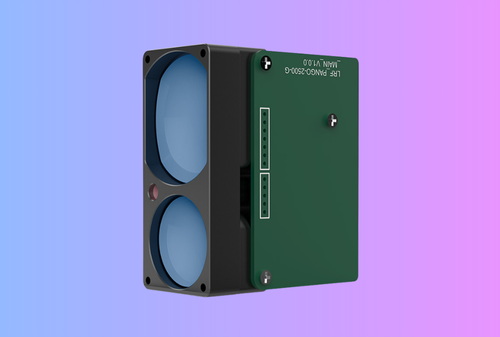
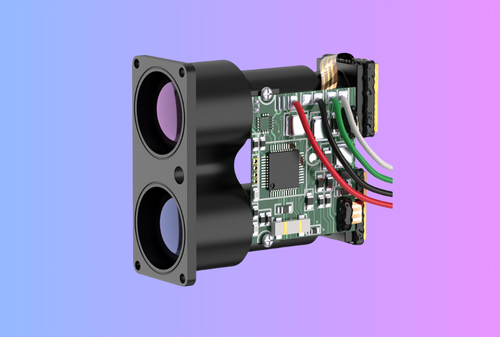
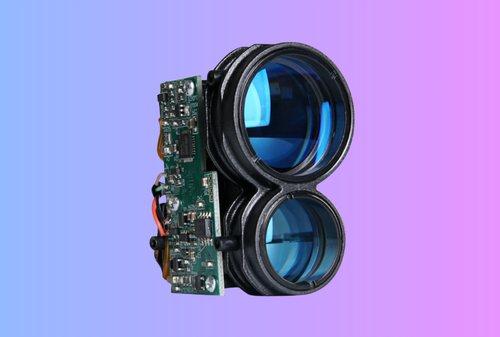
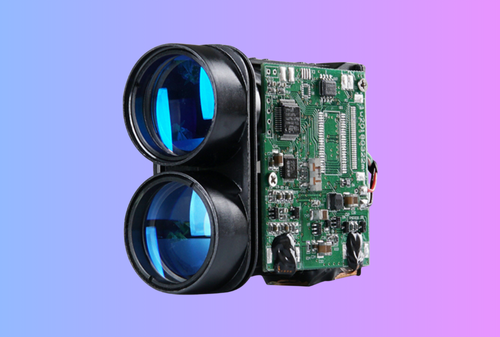
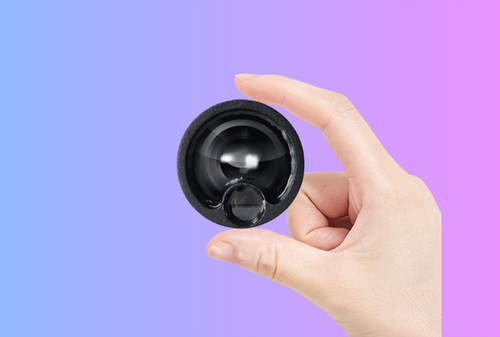
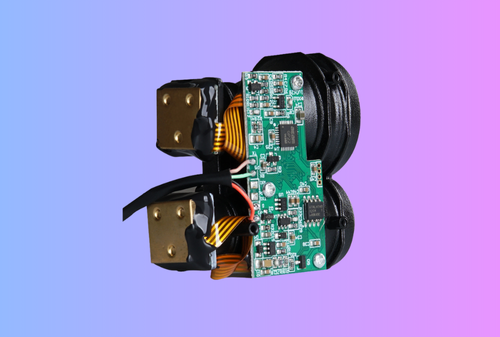
OEM Laser Rangefinder Modules

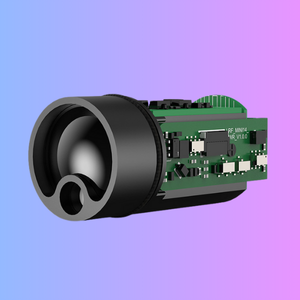
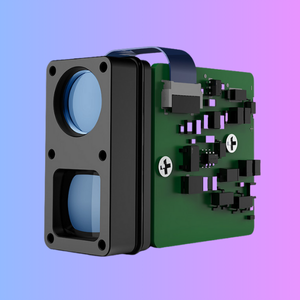
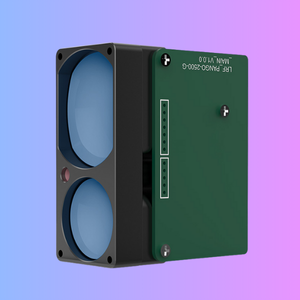
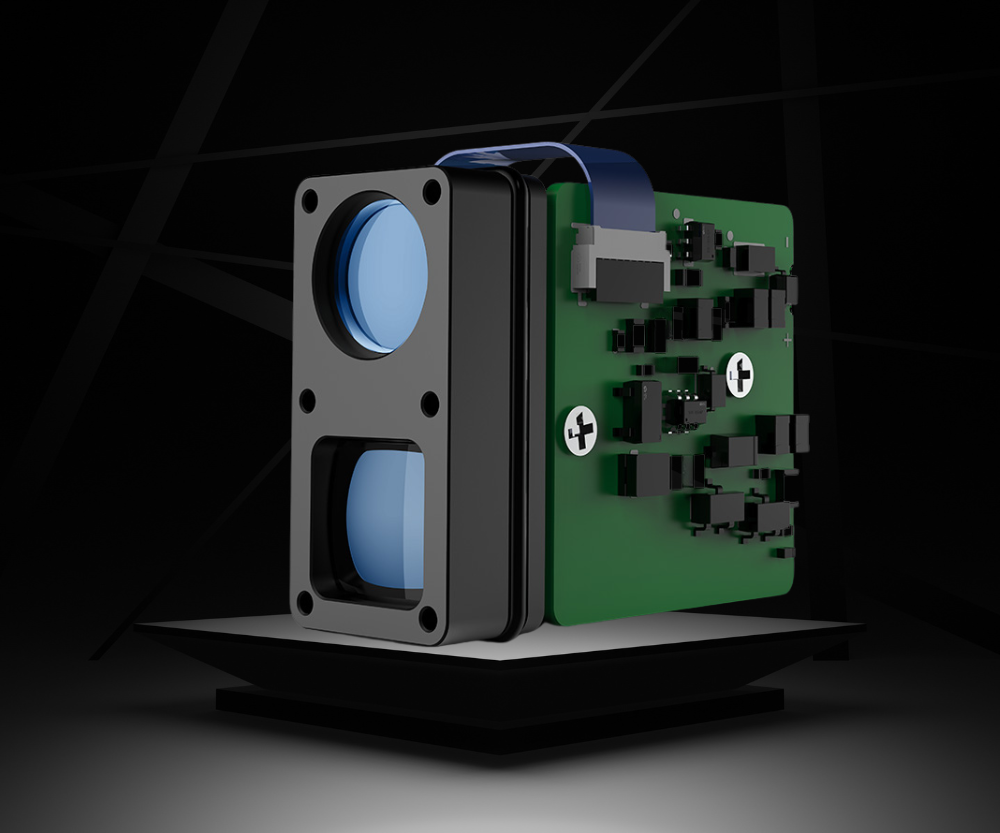
onfigurable laser rangefinder modules for OEM teams and system integrators.
Built for faster integration, stable ranging performance, and flexible interface options.

Configurable Laser Rangefinder Module

Off-the-shelf units rarely fit real project requirements. Gemin Optics provides configurable laser rangefinder modules for OEM teams that need faster integration, stable performance, and repeatable accuracy.

Choose the range, interface, optics, and accuracy level for your application. We support UART, RS232, RS485, USB, and CAN, with SDK support for Windows, Linux, and Android, plus factory calibration and serial-number traceability.

Customization Support

We support project-based configuration for:

  1. Ranging distance and accuracy level
  2. Interface options and protocol output
  3. Optics, beam divergence, and system fit
  4. Power, structure, and application-specific integration

To Speed Up Evaluation

For a faster recommendation, please share your target ranging distance, application scenario, interface requirement, size or mounting limits, estimated quantity, and target project timeline. If you already have accuracy, power, or environmental requirements, our team can review them together with your integration plan.

Get a Free Quote Now

We reply within 24h. Your info stays private.

Reduce integration risk

Why OEM Teams Choose Our LRF Modules

Built for OEMs and system integrators who need stable ranging, faster integration, controlled quality, and dependable supply.

Dedicated Support

One point of contact, bilingual communication, and clear follow-up from evaluation to mass production.

Delivery Planning

Committed lead times, flexible MOQ options, and supply planning that supports both pilot runs and volume orders.
Engineering Fit

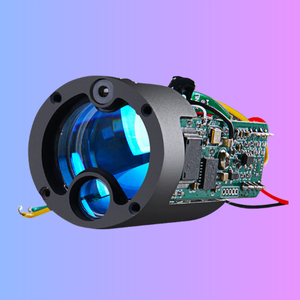
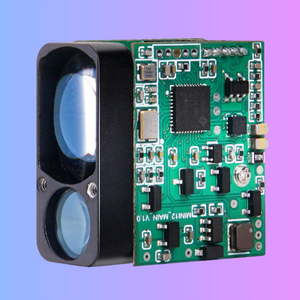
We review interface, optics, power, and mechanical fit around your platform, with SDK support and integration guidance.

Fast Response

Quick technical feedback, root-cause analysis, and corrective actions to keep validation and production on track.

Quality Control

Factory calibration, traceability, inspection control, and documentation support for OEM qualification and change management.

Featured Rangefinder Modules

Mini series for OEMs—compact, accurate, Click to download the full specifications.

Typical Applications

Our laser rangefinder modules are widely integrated into airborne, handheld, fixed, and industrial platforms that require accurate distance data and dependable interfaces.

Outdoor Optics

Integrate ranging into binoculars, observation devices, and compact optical systems where low power, small size, and stable output matter.

UAV / Drone Payloads

Lightweight modules for mapping, inspection, and airborne observation, with easy integration into gimbals and mission payloads.

Perimeter Security

Provide precise distance data for fixed surveillance, alarm linkage, and long-range monitoring in security and border applications.

Portable Devices

Used in handheld and field-use equipment that requires compact size, fast response, and reliable ranging performance.

Industrial Automation

Used in robotics, conveyors, and machine systems for non-contact distance measurement, positioning, and process control.

Surveying & GIS

Measure terrain, structures, and work areas with stable range output for field workflows, mapping support, and data collection.

Our Customization Process

From requirement review to delivery, we help OEM teams move from evaluation to production with clearer specs, faster validation, and controlled execution.

Requirement Review

Share your application, target range, interface, size limits, and project goals.

Feasibility Review

We assess technical fit, integration risks, timeline, and estimated cost.

Specification Lock

Confirm optics, beam divergence, interface, power, fit, and eye-safety class.

Sample Validation

Build and test samples to verify range, output, alignment, and communication.

Pilot or Mass Production

Move into pilot or volume production with controlled process and inspection standards.

Delivery & Support

Ship with required documents and continue with firmware and engineering support.

Frequently Asked Questions

Accuracy is typically defined as ±(fixed offset + percentage of distance) under stated target reflectivity and visibility conditions. Calibration data can be provided for each unit.

Maximum range depends on target reflectivity, atmospheric conditions, optical design, beam divergence, and the required measurement confidence in the final application.

Minimum range depends on the optical path and module design. We can evaluate the blind zone requirement based on your target structure and integration layout.

Performance on moving targets depends on update rate, latency, target speed, and system integration. We can recommend a suitable configuration for dynamic ranging use cases.

Eye-safety classification depends on the selected laser solution and application requirements. We can confirm the suitable class and labeling approach during project review.

Yes, but the window material, coating, thickness, and mounting design must be evaluated to avoid affecting transmission, alignment, or ranging performance.

Boresight stability depends on optical design, mechanical structure, assembly process, and mounting control. Alignment verification can be included during validation and production.

Get In Touch
Find Us
Follow Us

Send us a message

Let’s bring your ideas into focus.