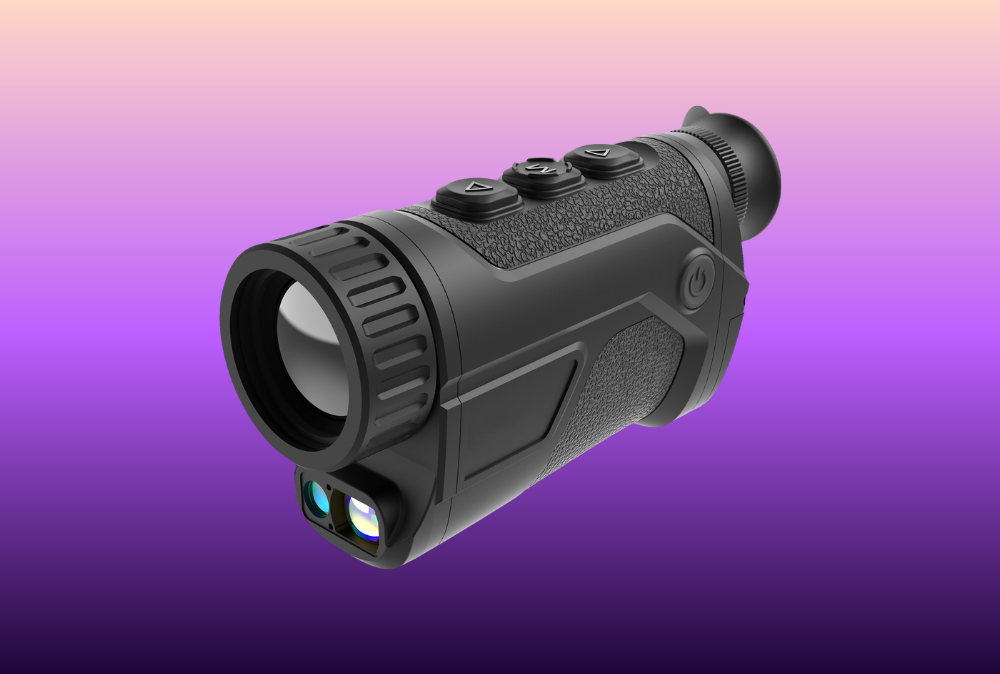
Most brands start their first handheld thermal monocular project with a simple idea: “Let’s find a factory that already makes something good and put our logo on it.” A few emails later, you receive a neat PDF, a price list, and maybe a sample. It all looks promising—until the first production batch arrives, RMAs spike, and dealers complain that the “best handheld thermal monocular” on paper feels average in the field.
Table of Contents
ToggleThe missing link is usually not bad intent from suppliers, but a weak brief from the buyer. When requirements are vague—“good range,” “nice image,” “competitive price”—factories fill the gaps with assumptions. Those assumptions might work for a one-off consumer gadget, but they are dangerous when you are building a serious B2B product line under your own brand.
This article walks through how to brief suppliers properly so your next handheld thermal monocular project has a much higher chance of becoming the best handheld thermal monocular in its class for your market, not just another generic box with new artwork.
1. Why a Strong Supplier Brief Is More Valuable Than a Low Quotation
It is tempting to begin every project by asking, “What is your best price?” In thermal optics, that question is almost meaningless if you have not defined what you are buying. The difference between a cheap, noisy 256×192 sensor and a rugged 640×512 handheld designed for professional use is measured in years of field reliability, not just in dollars.
A strong supplier brief forces you to define:
- Who will use the device and in what conditions.
- What “best handheld thermal monocular” means in terms of image quality, range, ergonomics, and service life.
- Which risks you are willing to accept and which are non-negotiable.
For the supplier, a good brief is a roadmap. It helps the engineering team select the right thermal imaging module, lens, housing, and firmware without guessing. It allows the sales team to quote a realistic price and timeline. It even helps their purchasing team plan sensor and lens stock for your volumes.
For you, the brief is a contract of expectations. It gives you something concrete to measure samples and pilot runs against. When problems appear later, you can reference the brief instead of arguing over vague promises in chat messages.
In short, a powerful brief increases your negotiation power more than chasing a rock-bottom quote ever will.
2. Start With Positioning: What “Best Handheld Thermal Monocular” Means for You
Before you write a single technical spec, you need to decide where this device sits in your portfolio and in your dealers’ price ladders.
2.1 Define the User and Mission Profile
Ask yourself a few simple questions:
- Is this monocular aimed at recreational hunters, professional guides, law enforcement, or security patrols?
- How far do users realistically need to detect, recognize, and identify targets?
- Will they use it for short scouting sessions or for hours of continuous patrol?
- Is weight more important than range, or the other way around?
A hunter who walks for hours in hilly terrain may prefer the best handheld thermal monocular that is light and compact, even if it sacrifices some long-range performance. A border patrol team may tolerate more weight in exchange for better long-range identification and longer battery life.
Write this mission profile in plain language at the start of your brief. It will influence every downstream decision, from lens selection to housing material.
2.2 Place the Device Inside Your Lineup
Next, decide how this monocular relates to your other optics:
- Will it be the entry point into thermal for budget-conscious customers?
- Will it sit in the mid-range, matching your main rifle scopes?
- Or will it be your flagship handheld, priced above your weapon sights as the most capable observation tool?
This positioning guides the supplier on which platform to propose. It also helps you later when you plan bundles or cross-selling with products like your Thermal Monoculars and rifle scopes.
3. Turning Use Cases into Performance Targets
Once the mission and positioning are clear, you can start specifying performance without falling into the trap of copying random numbers from competitor brochures.
3.1 Imaging Core: Resolution, Lens, NETD, and Real-World Range
For a handheld monocular, the heart of “best” is the balance between sensor, optics, and image processing. In your brief, avoid vague lines like “must have long detection range.” Instead, break down what you expect in three dimensions:
- Sensor resolution and pixel pitch
Decide whether your market truly needs 640×512 resolution, or whether a well-tuned 384×288 12 µm core is sufficient. Higher resolution adds cost but also marketing power. State a preferred option and an acceptable fallback. - Lens focal length and field of view
Shorter lenses (e.g., 25–35 mm) give a wider view and are easy to handhold. Longer lenses (40–50 mm) support better long-range spotting but narrow the field and magnify hand shake. Describe typical viewing distances and whether the best handheld thermal monocular for your customers should lean more toward wide-area scanning or long-range identification. - NETD and image quality
Ask for a specific NETD target (for example, <35 mK) and request that suppliers explain how they achieve it across production. Clarify that you want usable detail in humid or warm conditions, not just nice photos from a cold winter field.
In the brief, translate these parameters into practical expectations. For example, you might specify that the device should reliably identify a human-sized target at 600–800 m in your typical climate, not just list a lab detection distance.
3.2 Ergonomics, Controls, and Viewing Comfort
The best handheld thermal monocular for your brand is the one users can operate confidently without thinking about it. Reviews often say “feels good in the hand” without details; your brief must be specific.
Describe:
- Whether the device will be used mainly one-handed or two-handed.
- If users typically wear gloves, and what kind.
- Preferred position for main buttons (e.g., top-mounted, easily reached with index finger).
- Expectations for eyecup comfort, diopter adjustment range, and eye relief for glasses wearers.
Mention that you want a simple, logical menu structure with a limited number of clicks to reach key functions like zoom, palette change, and image capture. If you already have an interface philosophy on your weapon sights, note that you want a similar feel so users can switch between devices easily.
3.3 Ruggedness and Environmental Limits
A brief that only talks about resolution and range is incomplete. You must also state where and how the monocular will be used.
Specify:
- Operating temperature range you expect users to encounter.
- Desired level of water resistance (for example, “must survive heavy rain and brief submersion”).
- Drop resistance (e.g., “survive drops from 1 m onto concrete in working condition”).
- Whether the device will be mounted occasionally on vehicles or tripods, which introduces vibration.
You do not need to reference exact standards in your first draft, but asking suppliers to propose an IP rating and shock test method forces them to think beyond the lab.
4. Using a Configuration Table to Align Expectations
Suppliers often have multiple platforms that could meet your needs. One efficient way to structure the conversation is to include a small configuration table in your brief that describes the kinds of devices you are considering.
| Option | Sensor Resolution | Lens Focal Length | Target User Profile | Typical Human ID Range | Role in Lineup |
|---|---|---|---|---|---|
| A | 384×288, 12 µm | 25–35 mm | Mobile hunters, forestry, short patrols | 400–600 m | Compact all-rounder |
| B | 384×288, 12 µm | 35–40 mm | Mixed hunting and security use | 600–800 m | Mainstream workhorse |
| C | 640×512, 12 µm | 40–50 mm | Guides, outfitters, demanding professionals | 800–1,000 m | Premium flagship |
You can mark which option you intend as the “best handheld thermal monocular” for this project, while leaving other options as future roadmap points. This structure helps suppliers propose the right platform without guessing and shows that you are thinking in terms of a long-term family, not a one-off order.
5. From Wishlist to Supplier Brief: Structuring the Document
Once you have clarity on performance and positioning, you can build the actual document you will send to suppliers. A good brief for the best handheld thermal monocular project usually contains five main sections.
5.1 Project Overview and Objectives
Begin with a one-page overview:
- Who you are, which markets you serve, and how thermal fits into your portfolio.
- The goal of the project: for example, “Develop a mid-priced handheld that will become our best handheld thermal monocular for European hunting dealers, positioned above entry-level but below our premium scopes.”
- Expected initial order quantity and potential annual volume.
This context helps suppliers prioritize your project internally and propose realistic platforms.
5.2 Technical Requirements
Here you summarize sensor, optics, power system, housing, and UI requirements in prose rather than just raw numbers. Explain why each point matters—suppliers are more willing to work on details if they see how they affect your real users.
You can reference underlying technologies or expectations that relate to your Thermal camera module integration know-how, especially if you plan to share software or hardware modules across multiple product lines.
5.3 Quality, Testing, and Acceptance Criteria
Spell out how you will decide whether a sample or batch meets your definition of the best handheld thermal monocular. For example:
- Describe planned field tests: distances, targets, and environmental conditions.
- State acceptable ranges for cosmetic defects, hot pixels, and housing tolerances.
- Ask for the factory’s standard functional test steps for each unit.
Later, these statements become the foundation of your acceptance and RMA processes.
5.4 Compliance and Regulatory Requirements
Even if your compliance team will refine details later, mention expected requirements: CE and FCC for electronics, RoHS for materials, laser safety if a rangefinder is included, and any specific data you need for your own Certificates library. This signals that you are an organized B2B partner, not a casual buyer.
5.5 Commercial and Project Terms
Close the brief with information about expected pricing structure (EXW vs FOB, currency), payment milestones, tooling ownership, and support expectations. Give suppliers a rough project timeline from sample evaluation to first mass shipment.
6. Firmware, Integration, and Ecosystem Considerations
The best handheld thermal monocular for your brand is not just a stand-alone device; it is part of a wider ecosystem. If you already offer scopes, clip-ons, or binoculars, you probably want consistent user experience and shared components.
6.1 Firmware Features You Should Specify
Tell suppliers which functions are mandatory and which are optional. Think in terms of user problems rather than just menus.
Examples include:
- Simple palette set with clearly named options rather than dozens of gimmicky choices.
- Two or three digital zoom levels that preserve as much detail as possible rather than huge, noisy magnification.
- Configurable reticles or markers only if they support real tasks (such as marking observation points).
- Stable video recording and photo capture that does not interrupt live viewing.
If you plan to integrate the monocular into a broader ballistic system or distance measurement solution later, you might also specify hooks for external devices based on the same philosophy that underpins your Laser Rangefinder Module offerings.
6.2 Connectivity and Data Handling
Professional users increasingly expect the ability to store, review, and share footage. Decide whether your best handheld thermal monocular must support:
- Internal recording with USB access.
- Video output to external recorders.
- Simple Wi-Fi or app connectivity.
If you do require wireless functions, describe expected data volumes, security preferences, and whether you plan to provide your own app or rely on the OEM’s generic one.
6.3 Alignment With Your OEM/ODM Strategy
If you already run a private-label program, note that you want the handheld monocular to align with your existing Thermal Monoculars — OEM/ODM roadmap. For example, you might request shared board layouts where possible, common menu terminology, or compatible accessory interfaces.
Suppliers who understand that they are building a platform, not a single SKU, are more likely to invest in scalable, maintainable designs.
7. Quality System, Documentation, and After-Sales Expectations
Technical excellence alone does not create the best handheld thermal monocular in B2B markets. Quality systems and documentation form the backbone of long-term success.
7.1 What to Ask About Quality and Manufacturing
In your brief, ask suppliers to describe how they manage:
- Incoming inspection of sensors, lenses, and housings.
- Calibration and NUC procedures for each unit.
- Burn-in tests or stress tests before shipment.
- Serial number tracking and traceability.
Point out that you expect their processes to align with the standards you describe in your own Manufacturing & Quality documentation. Serious partners will respond with detailed descriptions or existing SOPs; vague replies are a warning sign.
7.2 Documentation Package
Request a standard documentation set for each model, including:
- User manual and quick-start guide.
- Maintenance and cleaning recommendations.
- CE/FCC test reports or summaries.
- Material declarations for RoHS and similar regulations.
Make it clear that this documentation is part of the deliverables, not an optional extra. It supports your brand’s reputation and makes it easier to work with regulators and large institutional buyers.
7.3 Warranty and Service Cooperation
You already know that even the best handheld thermal monocular will have occasional failures. What matters is how quickly and fairly they are resolved.
In the brief, outline:
- Your planned warranty period and what you promise to end customers.
- Expected response times for technical questions.
- Preferred models for spare parts supply and repair (local service centers vs factory returns).
The more transparent you are, the easier it is for suppliers to calculate realistic prices and to stock appropriate spares.
8. Commercial Structure and Project Governance
Even a perfectly specified device can fail if the project is managed loosely. Including clear commercial and governance expectations in your brief keeps everyone aligned.
8.1 Pricing, Tooling, and MOQ Strategy
Explain whether you prefer a slightly higher unit price with low MOQ, or are ready for larger commitments to secure better pricing. If tooling is required for a custom housing or eyecup, state who will own the tooling and how many units you expect to amortize it over.
Link pricing expectations to your intended retail tiers. A supplier who understands that this is the hero product in your catalog—the best handheld thermal monocular you plan to offer for the next several seasons—can justify investing more in optimization.
8.2 Project Timeline and Milestones
Propose a simple timeline with milestones such as:
- Supplier proposal and platform selection.
- First engineering samples for basic evaluation.
- Revised samples after feedback.
- Pilot batch with full production processes.
- Mass production decision and first shipment.
Ask suppliers to comment on whether these milestones are realistic with their current workload. This conversation is often where you discover potential bottlenecks early enough to adjust.
8.3 Communication Cadence
Finally, indicate how you prefer to communicate: weekly project calls, monthly written updates, or shared project trackers. The best handheld thermal monocular projects usually involve steady, structured communication rather than long periods of silence followed by last-minute surprises.
9. Example Outline of a Handheld Thermal Monocular Supplier Brief
To make all of this more concrete, imagine that your brief is structured as a short, professional document with about ten headings.
It opens with a Project Overview that summarizes your brand, your main markets, and the purpose of the project. It then moves into a User and Mission Profile that explains who will carry the monocular, what distances they work at, and what “best” means in their daily tasks.
A Technical Requirements section describes the desired sensor type, lens options, expected NETD, battery configuration, and UI behavior in clear prose. A short table compares a few configuration paths and marks which one you consider the primary target.
Next comes a Quality and Testing section that explains how you plan to evaluate samples, including the ranges, targets, and environmental conditions you will use, and what you consider an acceptable failure rate. The Compliance section lists standards and documentation you need to support your own certification and marketing claims.
The brief then presents Firmware and Integration Requirements, indicating which features are mandatory, which are optional, and how the device should connect to other products or apps. A Commercial Terms and Project Governance section closes the document with MOQ expectations, price targets, tooling assumptions, project milestones, communication preferences, and escalation paths.
Such a document is not long, but it is rich in the information suppliers need to propose the right platform and to treat your project as a serious, long-term partnership rather than a speculative order.
10. Partnering and Next Steps
Briefing suppliers properly takes time, but it saves far more time and money later. Instead of bouncing between misaligned samples and last-minute changes, you start each project with shared expectations and a clear roadmap. That is how you turn a simple idea—“let’s add a monocular”—into a flagship product that dealers trust and users recommend.
If you want to see how a mature handheld product family is structured, you can study your own historical performance and compare it with established reference lines created around platforms like Thermal Monoculars, rifle scopes, and clip-ons. When you are ready to turn those insights into a concrete project, you can approach an experienced engineering-led partner and share your draft brief.
A productive way to begin is to send a concise summary of your target market, volumes, and positioning through your usual enquiry channel and request feedback on your key assumptions. From there, a joint workshop can refine the brief into a set of actionable specifications, test plans, and milestones so your next project has every chance of becoming the best handheld thermal monocular in its price class.
For brands that prefer close collaboration rather than anonymous catalog sourcing, this is also the moment to open a conversation through the Get a Quote path and frame the project as the start of a long-term roadmap rather than a one-time RFQ.
FAQs: Briefing Suppliers for the Best Handheld Thermal Monocular
Q1: How detailed should the first brief be?
It should be detailed enough that a supplier can choose the right platform and estimate cost, but not so rigid that you close off good alternatives. Focus on mission profile, performance targets, quality expectations, and timelines. You can refine minor details like button shapes or color schemes later.
Q2: What if I do not know the exact specs yet?
Start from use cases and price positioning. Describe typical distances, target types, and how your monocular should compare to existing products. A competent supplier can then propose sensor and lens options that match those goals, which you can evaluate together.
Q3: Should I send the same brief to multiple suppliers?
Yes, but be consistent. Sending equivalent briefs allows you to compare proposals fairly. Avoid customizing each brief so heavily that you confuse yourself later when you review responses.
Q4: How do I protect my concept when sharing detailed briefs?
Use NDAs where appropriate and avoid sharing proprietary marketing plans or confidential customer names. At the same time, remember that well-defined requirements are what make it possible to engineer the best handheld thermal monocular for your brand. Without clarity, you will only get generic catalog products with your logo on top.
If you’re planning your next best handheld thermal monocular project, talk to a supplier that understands both engineering and private-label business. Explore our Thermal Monoculars — OEM/ODM options, review our Manufacturing & Quality standards, and contact our team to turn your brief into a concrete, field-ready product roadmap.