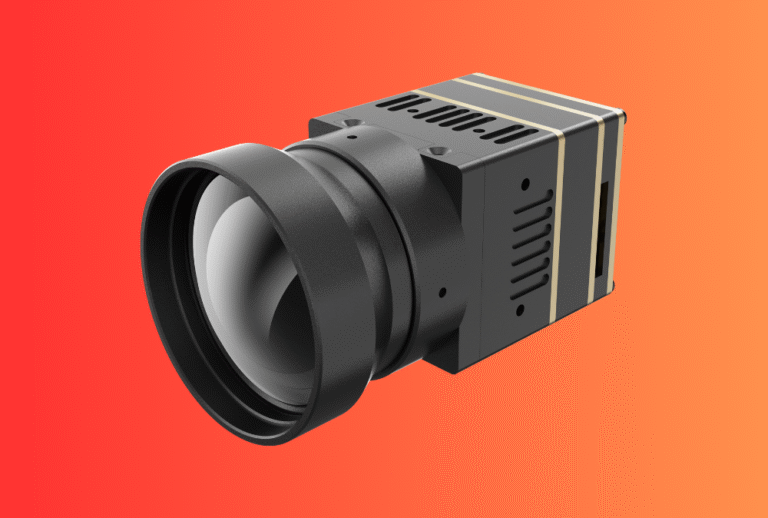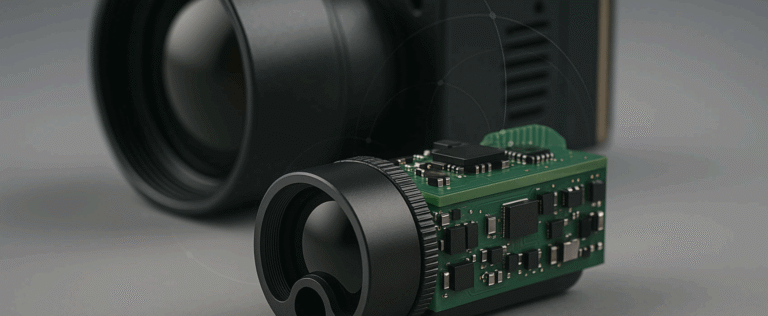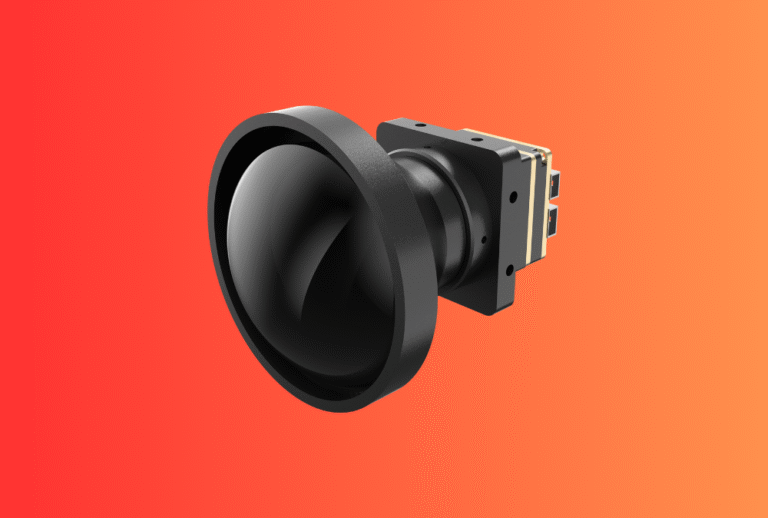

Ready to scale FPV payloads beyond demos? This guide shows OEM/ODM teams how to package an FPV Thermal Imaging Module with the right export classification, CE/FCC/RoHS/REACH paperwork, and channel deliverables—so quotes move faster, distributors list your SKU, and shipments clear without surprises.
Table of Contents
ToggleExecutive Summary
- Classify exports early. In the EU, dual-use exports are governed by Regulation (EU) 2021/821; in the US, many thermal cameras above 9 Hz fall under ECCN 6A003 on the Commerce Control List. Decide frame-rate variants and destinations before quoting.
- Bundle a compliance pack. For channels, include CE (EMC), FCC Part 15, RoHS and REACH declarations, and a short SAT/acceptance clip per serial—distributors love ready-to-publish files.
- If adding a laser range overlay later, plan IEC 60825-1 classification; the FDA recognizes IEC 60825-1 via Laser Notice No. 56 in the US (labeling and reporting impact).
- UK market note. Great Britain continues to recognize CE as an option alongside UKCA, easing near-term labeling.
Start hardware selection on our Thermal camera module page. If you’ll need standoff cues later, bookmark Laser Rangefinder Module—we cover its safety path below.
Use Cases & Buyer Scenarios
Global OEMs moving from pilots to multi-region shipments
You need a frame-rate strategy (≤9 Hz vs >9 Hz), export classifications, and a document pack that works in EU/US/GB without rework.
Distributors and resellers onboarding a new FPV thermal SKU
They expect ready-to-host PDFs: DoC, FCC SDoC, RoHS/REACH statements, laser safety (if LRF), and a short acceptance clip for sales enablement.
Public demos, training centers, and trade shows
If you fly with a rangefinder, laser class/labels matter. Pre-approve demo kits for venues and insurance reviewers.
Spec & Selection Guide
What to standardize in your SOW/RFQ (and why it matters)
-
Export class & frame rate – Decide early: ≤9 Hz variants often simplify exports; >9 Hz may be 6A003 in the US. EU uses 2021/821 dual-use rules and control lists.
-
CE EMC & FCC Part 15 – EMC/EMI basics for electronics sold in EU/US. FCC covers unintentional radiators (digital devices); EU EMC Directive 2014/30/EU ensures EEE doesn’t create/experience excessive interference.
-
Materials declarations – RoHS substance limits and REACH SVHC duties (supplier communication if SVHC >0.1% w/w).
-
Laser safety (if adding LRF) – IEC 60825-1 class, labels, user manual wording; FDA alignment via Laser Notice 56.
-
Traceability – Serial/lot + per-unit acceptance clip and CSV log (timestamped), so field returns aren’t subjective.
Comparison table—documents to request and keep ready
| Topic | EU requirement | US/GB requirement | What to request from vendor | Why channels care |
|---|---|---|---|---|
| Export control | EU 2021/821 classification & screening notes | US ECCN (e.g., 6A003 or 6A993), destination checks | Export classification letter + frame-rate policy | Prevents last-minute blocks. |
| EMC | CE per EMC Directive 2014/30/EU | FCC Part 15 SDoC/Class A/B | Test reports + DoC/SDoC templates | Retailers need proof before listing. |
| Materials | RoHS DoC + REACH SVHC duty | RoHS/REACH-equivalent disclosures common | Substance table + SVHC statement | Audits & public tenders. |
| Laser (LRF) | IEC 60825-1 class + labels | FDA Laser Notice 56 recognition | Classification calc, label artwork, manual | Venue/insurance approval. |
| GB market | CE or UKCA | UKCA or CE accepted | Label plan and GB DoC | Avoid duplicate SKUs. |
Decision flow
If frame rate > 9 Hz → classify US ECCN (often 6A003) and confirm EU dual-use scope.
If shipping to EU → build CE pack (EMC + RoHS + REACH) and technical file.
If shipping to US → ensure FCC Part 15 SDoC (unintentional radiator) + materials statements.
If adding Laser Rangefinder later → run IEC 60825-1 classification + adopt Laser Notice 56 labeling.
If selling in Great Britain → choose CE or UKCA marking strategy and prepare GB DoC.
Always attach per-serial acceptance clip + CSV to cut NFF returns and speed RMA triage.
Considering distance overlays later? See Laser Rangefinder Module for engineering notes; your compliance pack simply gains the laser section.
Integration & Engineering Notes
Electrical & Interfaces
Design with EMC in mind: LC-filtered rails, separated grounds for compute vs VTX, tight harness loops. Pre-compliance scans save weeks later.
Optics & Mechanics
Leave fascia space for CE/FCC/laser labels; use serialized nameplates. If you enclose optics, spec coated windows and gaskets; IP targets help distributors list SKUs per region.
Firmware/ISP/Tuning
Offer ≤9 Hz and >9 Hz images as separate SKUs/firmware where exports differ. Log event-time stamps, power, and FPS; those feed acceptance and audits.
Testing & Validation
Use an accredited lab for final reports; earlier pre-scan catches cable/grounding mistakes. Keep a one-page test plan summary inside the technical file.
Compliance, Export & Certifications
-
EU dual-use regime. Regulation (EU) 2021/821 sets the legal basis for controlling exports of dual-use items, including certain thermal imagers; consult the latest consolidated text and control list references.
-
US export classification. Many higher-frame-rate thermal cameras map to ECCN 6A003 under BIS Category 6; ≤9 Hz variants may fall elsewhere (e.g., 6A993/EAR99 depending on spec and destination). Coordinate with your broker.
-
CE & FCC. EU EMC Directive 2014/30/EU and FCC Part 15 cover emissions/immunity for digital devices; align test setups with harmonized standards and Part 15 methods.
-
RoHS & REACH. Provide a RoHS Declaration of Conformity and REACH SVHC communication if any article contains >0.1% w/w of a Candidate-List substance.
-
Laser, if applicable. Classify your LRF to IEC 60825-1; in the US, Laser Notice 56 describes FDA’s acceptance of IEC-based conformance and label wording.
-
GB market. UK guidance confirms ongoing CE recognition for many products as an alternative to UKCA on the GB market, simplifying near-term labeling.
For ground confirmation tools in tenders, see Thermal Monoculars and Thermal Binoculars to bundle with your FPV kits.
Business Model, MOQ & Lead Time (OEM/ODM)
-
Samples & reports. Lab pre-scan: ~1–2 weeks; accredited EMC/EMI reports: ~3–5 weeks after readiness.
-
MOQ. 50–200 pcs for standard builds; ≥300 for custom housings/windows or GB-specific labeling.
-
Channel kit. Ship a folder with DoC/SDoC, RoHS/REACH, export classification letter, laser files (if LRF), quick-start, acceptance clip per serial, and product images.
Distributor ROI mini-model
| Driver | Before compliance pack | After compliance pack | Units/yr | Impact |
|---|---|---|---|---|
| Time to list SKU | 4–6 weeks | 1–2 weeks | 10 channels | Faster revenue |
| NFF returns | 1.0% | 0.5% | 2,000 | −10 RMAs |
| Tender eligibility | Limited | Meets doc checklist | — | More bids qualified |
Ready to quote? Anchor the payload on our Thermal camera module and add a range-ready variant via Laser Rangefinder Module.
Pitfalls, Benchmarks & QA
Seven common mistakes (and fixes)
-
Treating export class last. Decide frame rate/variants at RFQ, not after samples.
-
No technical file discipline. Scattershot PDFs slow distributors; keep a single source of truth.
-
Skipping pre-compliance. EMC fails late when harness/grounding is wrong.
-
Materials left to suppliers. Aggregate RoHS/REACH data yourself; don’t wait for audits.
-
Unclear laser class. If you add an LRF, run IEC 60825-1 math and labels; align US labels via Laser Notice 56.
-
UK labels overlooked. GB accepts CE for many goods; choose a pragmatic CE/UKCA plan.
-
No acceptance artifacts. Always archive a 10–20 s clip + CSV per serial to defuse “quality” disputes.
Benchmark artifacts to store
-
Per-serial acceptance clip (dusk pan + indoor hot/cold scene), CSV with
t_event, FPS, power. -
EMC pre-scan plots, final test reports, RoHS/REACH declarations, ECCN letter.
-
Laser classification worksheet (if LRF) and label proofs.
FAQs
1) Do I have to ship ≤9 Hz to avoid export controls?
Not necessarily—but >9 Hz thermal cameras are often controlled (e.g., US 6A003). Many teams keep both variants to balance performance and licensing.
2) What’s the minimum CE/FCC pack a distributor expects?
EMC test report + EU DoC, FCC Part 15 SDoC/Class A/B labeling info, RoHS/REACH statements, manuals, labels, and product photos.
3) If we add a rangefinder later, what changes?
Add IEC 60825-1 classification, warning labels, and US Laser Notice 56 label wording; the rest of your technical file remains.
4) Is CE or UKCA required for Great Britain now?
GB currently continues to recognize CE for many product categories; you can use CE or UKCA. Check the latest gov.uk guidance for your category.
5) How do we keep audits smooth?
Use a single folder per SKU with DoC/SDoC, RoHS/REACH, EMC reports, export letter, laser files (if any), and acceptance artifacts tied to serial numbers.
Send us your target regions, frame-rate plan, and channel list. We’ll return a compliance-ready thermal FPV payload—reports, declarations, acceptance kit, and (optionally) a rangefinder addon—built on our Thermal camera module and Laser Rangefinder Module.