
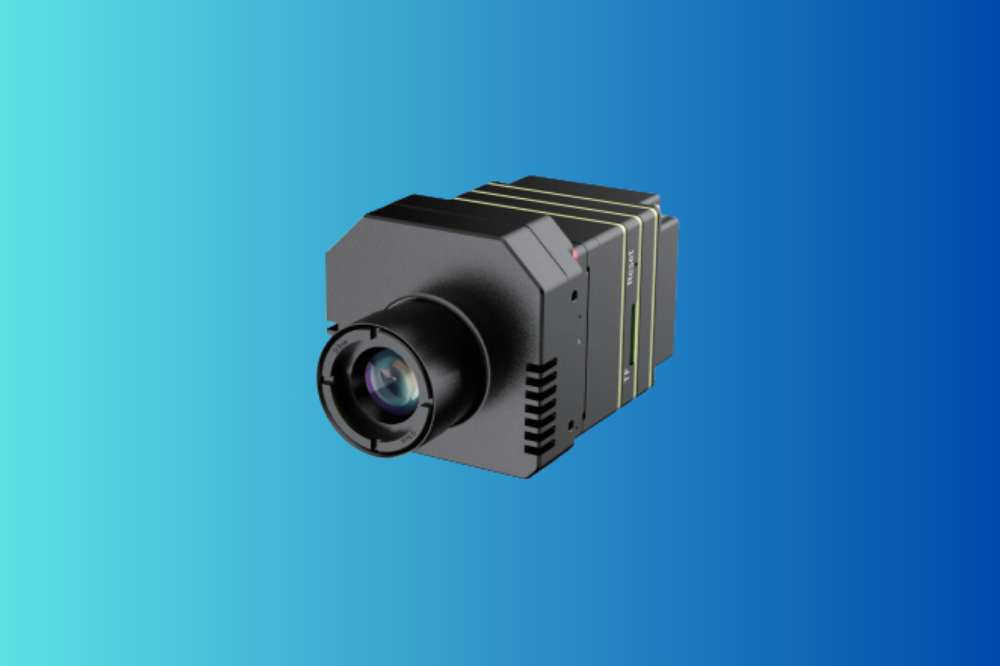
Industrial plants everywhere are under pressure: fewer technicians, tighter shutdown windows, more safety rules, and ambitious uptime and energy-efficiency targets. In that context, a single industrial thermal imaging camera is no longer enough. Maintenance and reliability teams are asking how to build online temperature monitoring camera networks that watch critical assets 24/7 and plug directly into condition-monitoring and safety workflows.
Table of Contents
ToggleThis guide explains how to move from standalone cameras to full industrial online thermal imaging systems. It is written for OEM/ODM product managers, integrators, distributors, and engineering leaders who work with China factories and global suppliers and want to de-risk their buying decisions.
We will cover fundamentals, key specifications, application scenarios, and how to evaluate a China industrial thermal imaging camera and temperature monitoring camera manufacturer for long-term partnership.
1. Why online thermal imaging is moving from “nice to have” to “must have”
Thermal imaging has been part of predictive maintenance and condition monitoring for decades. By measuring surface temperature without contact, infrared cameras reveal early signs of electrical, mechanical, and process problems that are invisible to the naked eye.
Condition-monitoring studies and vendor data suggest that well-implemented predictive programmes can cut breakdowns by dozens of percent and reduce maintenance costs by roughly a quarter, by catching issues early and planning repairs during scheduled downtime.
Handheld inspections remain essential, but they have limits:
- You only see assets when someone walks past with a camera.
- Dangerous, high, or enclosed equipment may be inspected less often than you’d like.
- Collected data often stays in local software instead of feeding central analytics.
Online systems built around fixed industrial thermal imaging cameras attack these gaps. They provide continuous, automatic temperature monitoring in high-risk locations and stream data straight into SCADA, DCS, historians, and reliability dashboards. Fixed thermal imaging is now widely promoted as a non-contact measurement technology for remote monitoring, trending, and control of temperatures in demanding industrial processes.
For OEM/ODM buyers and system integrators, that creates a new product category: from a single “industrial thermal imaging camera” to a complete temperature monitoring camera network.
2. From industrial thermal imaging camera to online system
2.1 What is an industrial thermal imaging camera?
An industrial thermal imaging camera is a radiometric infrared camera designed for professional use in harsh environments. Compared with consumer-grade devices, it typically offers:
- Calibrated temperature measurement over defined ranges (for example –20 to 150 °C, or up to 600–1000 °C for furnaces).
- Higher detector resolution (256×192, 384×288, 640×512, etc.) and good thermal sensitivity (low NETD).
- Rugged mechanical design and IP-rated enclosures compliant with IEC 60529.
- Industrial communications (Ethernet, Modbus/TCP, OPC UA, ONVIF, discrete I/O).
These cameras may be handheld for route-based inspections, or fixed in place for continuous monitoring.
2.2 What is a temperature monitoring camera network?
A temperature monitoring camera is simply an industrial thermal imager integrated into a wider system:
- Cameras are mounted permanently to view critical assets.
- Software defines regions of interest (ROIs), reads temperatures, and applies alarm logic.
- Data flows into control systems and condition-monitoring platforms.
An online thermal imaging system or network is the whole stack: cameras, communication infrastructure, servers or edge devices, applications, and interfaces to SCADA/DCS and historians. It turns thermal images into actionable information 24/7.
2.3 How handheld and online systems work together
The point is not to replace handheld surveys. Instead:
- Handheld industrial thermal imaging cameras and industrial handheld thermal imagers handle troubleshooting, detailed diagnostics, and broad screening.
- Online thermal monitoring systems and fixed temperature monitoring cameras continuously watch the most critical or hard-to-access assets.
A mature programme uses both: handheld for flexibility, online systems for depth and continuity.
3. Key specs and design choices for online thermal imaging
When you scale from a single industrial thermal imaging camera to a plant-wide network, small specification mistakes become expensive. Here are the main dimensions to get right.
3.1 Detector resolution, optics, and coverage
Resolution and field of view (FOV) determine how much area each camera can cover and how small a target you can reliably measure. Industrial thermography guidelines emphasise having enough pixels on each hot spot to compute meaningful temperatures and trends.
Key questions:
- What minimum object size must the camera resolve (for example, a 10 mm lug at 5 m)?
- At your planned mounting distance, what FOV and resolution give you at least a few pixels across that object?
- Are you monitoring stationary scenes (switchgear, tank roofs) or moving ones (conveyor belts, rotating equipment)?
Wide-angle lenses suit short distances and broad coverage. Telephoto lenses are better for high-mounted cameras or distant busbars. When you work with a China industrial thermal imaging camera OEM like Gemin Optics that offers modular thermal imaging modules, you can tailor lenses per application without changing the core electronics.
3.2 Temperature range, NETD and accuracy
For each monitored asset, define:
- Normal operating temperature band
- Expected fault temperatures (for example, how hot a failing connection might get before tripping)
- Alarm thresholds based on ΔT (difference between phases or against ambient)
Your industrial thermal imaging camera must cover these ranges with enough accuracy and sensitivity. For early fault detection, low NETD (for example ≤40 mK) is valuable because it lets the system detect small temperature deviations before they become obvious.
Quality vendors calibrate cameras against black-body sources and specify accuracy in terms like “±2 °C or ±2% of reading,” assuming proper installation and configuration.
3.3 Environmental protection and housing
Online cameras live close to the process. They face dust, moisture, heat, and vibration every day.
Ingress Protection (IP). IEC 60529 defines the IP code, which rates enclosure resistance to solids and liquids (for example IP54 for limited dust and splashing water, IP66 for dust-tight and powerful water jets, IP67 for temporary immersion). Choosing the right IP level avoids both over-engineering and premature failures.
Other environmental aspects:
- Ambient temperature and radiant heat from furnaces or steam lines
- Vibration from rotating machinery
- Corrosive atmospheres or cleaning chemicals
- Need for ATEX/IECEx housings in explosive atmospheres
A robust China industrial thermal imaging camera manufacturer should provide housings and accessories matched to these conditions and backed by IP test reports.
3.4 Communications, protocols and cybersecurity
A single temperature monitoring camera may connect directly to a PLC. A large network might involve dozens of cameras, edge gateways and cloud services. Whichever architecture you choose, look for:
- Standard industrial protocols: Modbus/TCP, Ethernet/IP, OPC UA, ONVIF (if you need video integration).
- Time synchronisation with plant NTP servers so events line up across systems.
- Secure access control, firmware signing, and encrypted data paths where corporate policy requires it.
Condition-monitoring platforms increasingly combine data from vibration, ultrasound, thermal imaging, and process sensors. Using open protocols makes it easier to integrate your cameras into these wider analytics stacks.
3.5 Edge vs central processing
You can run analytics at three levels:
- In-camera – simple ROI temperatures and threshold alarms computed locally; low bandwidth and low latency.
- Edge gateway – a small PC or industrial computer collects multiple camera streams, applies more advanced logic and pushes results into SCADA or cloud.
- Central server or cloud – stores full radiometric images, supports machine-learning and fleet-wide analytics.
For many OEM/ODM integrators, a hybrid model works best: essential alarms at the edge; deep analysis and long-term storage centrally.
4. Where temperature monitoring camera networks deliver value
Let’s look at typical scenarios where online industrial thermal imaging cameras provide clear benefits over handheld-only programmes.
4.1 Medium- and low-voltage switchgear
Abnormal heating of busbars, terminations and joints is a major cause of electrical failures and fire events. Thermal imaging is widely recognised as a powerful method for detecting issues such as loose connections, overloads and imbalanced phases before failure.
An online system can:
- Continuously watch critical connections inside switchgear or bus ducts.
- Track ΔT between phases and against reference points.
- Alarm when patterns suggest rising contact resistance or overload.
Because sensors are permanently installed, technicians only need to intervene when the system flags a problem—reducing human exposure to energised equipment and improving NFPA-style compliance where relevant.
4.2 Conveyor belts and bulk material handling
Conveyor fires and belt failures can shut down entire plants. Thermal camera systems designed for conveyors measure belt surface temperature and identify hot spots around idlers, rollers and loading points, giving early warning of friction or misalignment.
A network of temperature monitoring cameras can:
- Watch long conveyor runs for abnormal heat patterns
- Distinguish between normal hotspots (for example, sun-heated sections) and dangerous ones with trend and ROI logic
- Integrate with emergency stop systems and fire-suppression controls
4.3 Kilns, furnaces and boilers
High-temperature processes require continuous observation, but direct visual access is often impossible. Specialised industrial thermal imaging cameras and high-temperature imaging systems provide real-time views of burners, flame profiles and refractory shell temperatures.
Benefits include:
- Early detection of refractory damage or slag build-up
- Optimised combustion and fuel usage
- Reduced risk of burn-through incidents that cause extended outages
4.4 Storage bunkers, yards and fire-risk areas
Thermal imaging is increasingly used for early fire detection in storage of biomass, coal, paper, waste and other combustible materials. Fixed thermal cameras detect unusual hot spots long before smoke or flames appear, allowing operators to intervene early.
In unmanned yards, remote substations or waste facilities, a temperature monitoring camera network tied into alarms and CCTV can act as a 24/7 fire-watch system.
4.5 Energy management and ISO 50001 programmes
Temperature data is also valuable for energy efficiency. Continuous thermal monitoring can:
- Track insulation performance on steam lines, heat exchangers and building envelopes.
- Quantify heat losses and verify savings after retrofit projects.
- Feed into ISO 50001 energy management systems as objective evidence of performance improvements.
An industrial online thermal imaging system becomes another sensor layer for your energy and sustainability roadmap.
5. How to evaluate a China industrial thermal imaging camera and temperature monitoring camera supplier
If you are an OEM, integrator or distributor planning your own product line, selecting the right China industrial thermal imaging camera manufacturer or OEM/ODM partner is critical.
5.1 Engineering and customisation capability
Look for a supplier that:
- Offers modular thermal imaging modules with documented APIs and interface options.
- Can adapt optics, temperature ranges and housings for your verticals (utilities, steel, mining, waste-to-energy, etc.).
- Understands both handheld and online system requirements, so you can build coherent product families.
A flexible industrial thermal imaging camera China manufacturer will help you create differentiated SKUs without redesigning from scratch.
5.2 Quality control, calibration and testing
Ask concrete questions:
- How are cameras calibrated, and how often should they be re-verified?
- Which environmental tests are performed (thermal cycling, vibration, IP testing according to IEC 60529)?
- Can the supplier share example test reports or certificates?
Industrial buyers will expect this documentation when you present your own temperature monitoring camera line.
5.3 Software, integration and cybersecurity
For online systems, software matters as much as hardware. Evaluate whether the manufacturer can provide:
- SDKs or open protocols so you can integrate with your own platforms
- PC or web tools for configuration, ROI setup and alarm tuning
- Clear policies for firmware updates and vulnerability handling
Because these cameras connect to plant networks, your IT/OT security teams will ask about these topics early in the project.
5.4 Supply chain, lifecycle and support
Consider:
- Minimum order quantities (MOQ) and lead times for both cameras and accessories
- Long-term component and firmware roadmap, so you can guarantee availability to your customers
- Regional repair or replacement options to minimise downtime when a camera fails
A good industrial thermal imaging camera OEM supplier in China becomes part of your extended engineering team, not just a box provider.
5.5 Frequently asked questions from B2B buyers
Q1. How many industrial thermal imaging cameras do we need for a plant?
Start with a risk-based map. Cover assets where failures are most costly or dangerous—typically main switchgear, large drives, high-temperature processes, conveyors, and high-risk storage. Use handheld cameras elsewhere. You can expand the network as you prove value.
Q2. Are online systems always better than handheld inspections?
No. Handheld inspections are more flexible and cheaper to start. Online cameras add value where continuous visibility is critical, where access is difficult, or where early fire detection is required. Many best-practice programmes combine both.
Q3. Do we need IP67 for every temperature monitoring camera?
Usually not. The IP code exists precisely so you can match protection level to environment. Indoor switchrooms may be fine with IP54, while outdoor, wash-down or dusty environments may justify IP65 or IP66.
6. Gemin Optics as your industrial online thermal imaging OEM/ODM partner
Gemin Optics is a China-based industrial thermal imaging camera and module manufacturer focused on B2B OEM/ODM projects. For global integrators and distributors, the company offers three complementary building blocks.
6.1 Thermal imaging modules as the core
Gemin’s configurable thermal imaging modules provide:
- Multiple resolutions and NETD performance levels
- Flexible optics options for wide and telephoto FOVs
- Standard digital outputs suitable for both handheld and fixed cameras
OEMs can integrate these modules into their own temperature monitoring camera hardware, balancing cost and performance per market segment.
6.2 Industrial handheld and online platforms
For customers who want ready-made platforms:
- Rugged industrial handheld thermal imagers support route-based inspections and troubleshooting.
- Online thermal monitoring systems combine fixed cameras, industrial housings, interfaces and software for continuous monitoring of critical assets.
Both product lines are designed with OEM/ODM flexibility in mind—branding, user interface, network protocols and integration hooks can be adapted for your solution.
6.3 OEM/ODM collaboration for full camera networks
As a China industrial thermal imaging camera manufacturer, Gemin Optics works with customers to:
- Map plant risk and choose where handheld vs online coverage makes sense
- Select appropriate optics, housings and mounting schemes for each camera node
- Design end-to-end temperature monitoring camera networks that integrate with existing SCADA, DCS and reliability tools
The result is a tailored system rather than a generic product—one that reflects your market’s needs and your brand’s value proposition.
7. Work with a China industrial thermal imaging camera manufacturer you can trust
Online thermal imaging is quickly becoming a core layer in industrial safety, reliability and energy strategies. A well-designed network of industrial thermal imaging cameras and temperature monitoring cameras can:
- Detect dangerous hot spots and fire risks before they escalate
- Reduce unplanned downtime and maintenance costs through truly predictive maintenance
- Support energy-efficiency and sustainability programmes with continuous temperature data
To capture that value, you need more than an off-the-shelf device. You need a China industrial thermal imaging camera and online system partner that understands thermography physics, industrial design, networking and OEM/ODM collaboration.
Gemin Optics brings together modular thermal cores, handheld and online platforms, and an engineering-driven approach to help OEMs, integrators and distributors build the right solution for their markets.
Contact Gemin Optics today to discuss your industrial thermal imaging camera and temperature monitoring camera network requirements.
Share your critical assets, target industries and integration needs, and the Gemin team will help you design an online thermal imaging system that turns heat into reliable, actionable data—and into long-term business value.