Lead: Picking the cheapest quote is easy; picking the right vendor is an audit. This buyer-first checklist helps OEM/ODM teams evaluate Laser Rangefinder Module suppliers on process capability, metrology, traceability, and change control—so pilots scale into stable mass production, not RMAs.
Table of Contents
ToggleExecutive Summary
Audit the system, not just the sample. Verify QMS (e.g., ISO 9001), calibration traceability (ISO/IEC 17025), and laser safety files (IEC 60825-1). These underpin repeatable yield and safe shipments.
Look for disciplined change control. Require formal PCN/ECO aligned to JEDEC JESD46 (and EOL under JESD48) so detector/optics/process changes don’t blindside your field units.
Ruggedization and ESD are non-negotiable. Ask for methods and reports vs MIL-STD-810H (shock/vibe/temp) and an ANSI/ESD S20.20 program for assembly/packaging.
Compliance accelerates channel onboarding. For US/EU, ensure Class 1/1M per IEC 60825-1 (FDA Laser Notice No. 56 alignment), plus CE/FCC and RoHS/REACH material declarations.
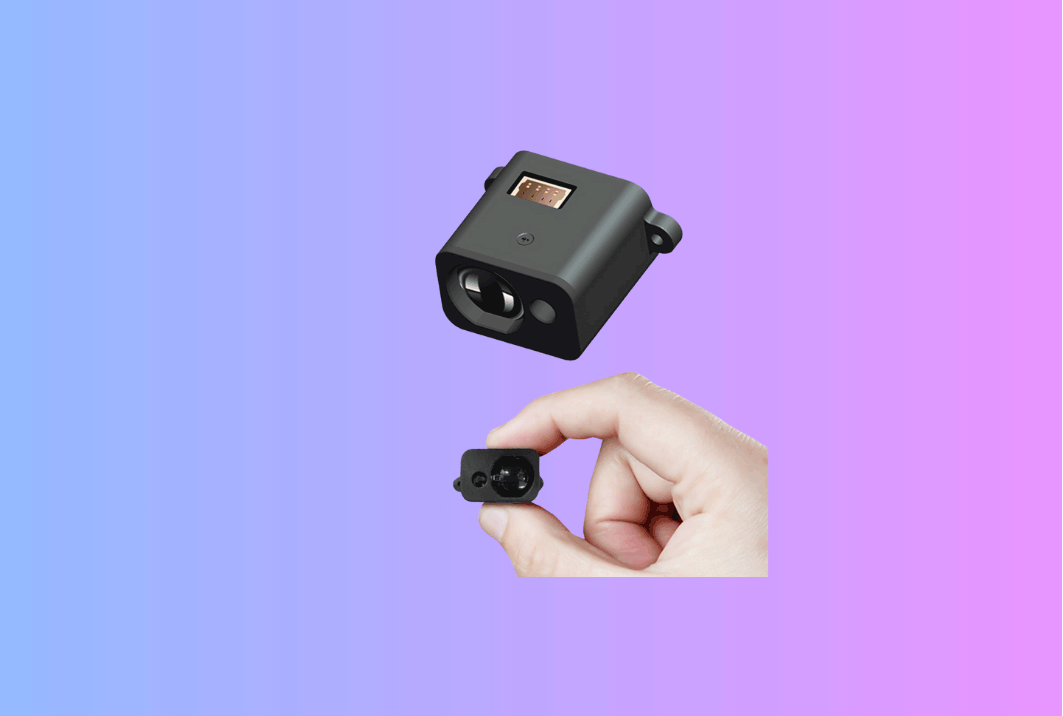
Need hardware benchmarks while you audit? See our Laser Rangefinder Module family and integration kits. Pair with a Thermal camera module for fused detection + absolute distance.
Use Cases & Buyer Scenarios
OEM/ODM teams planning multi-factory ramp
You need consistent divergence, power, and timing across contract manufacturers (CMs). Audit that jigs, safety-aperture checks, and calibration artifacts are shared and locked.
Outdoor optics brands with seasonal launches
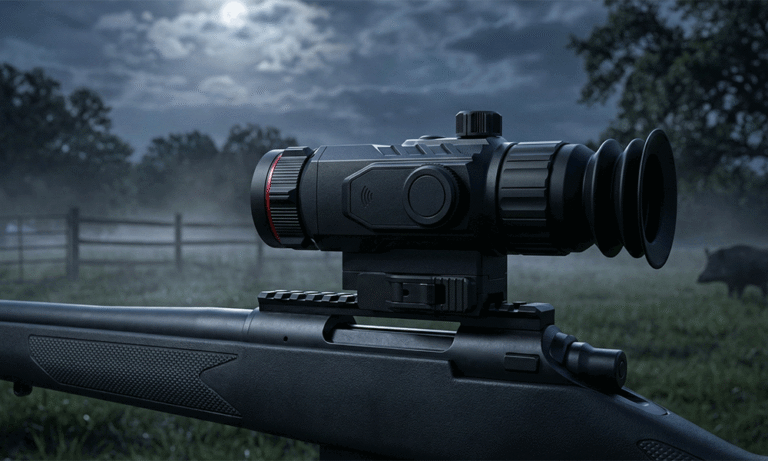
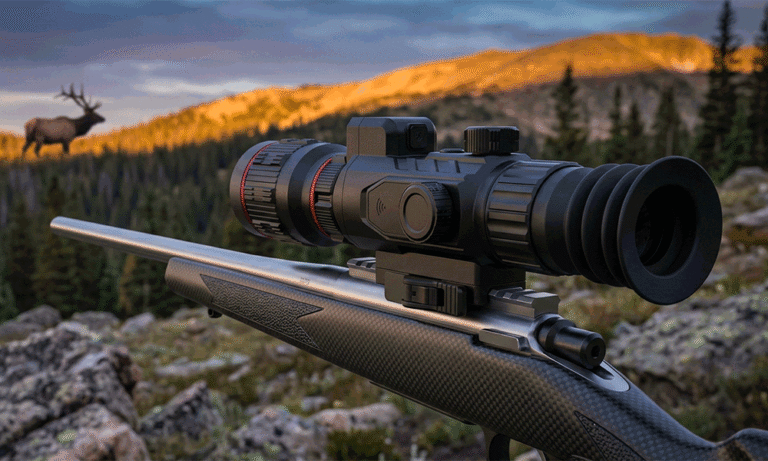
For Thermal Rifle Scopes, Thermal Monoculars, and Thermal Binoculars, verify recoil/vibe, IP sealing, and boresight retention—plus packaging/ESD controls.
Industrial & security integrators
If you deploy on towers, gates, or patrol kits (e.g., Thermal Clip-On Sight stacks), check SAT (site acceptance) procedures, windows/coatings, and field re-cal kits to keep RMAs low.
Spec & Selection Guide (the heart)
Below is what to audit, what proof to ask for, and how to accept or reject—so vendors can’t “demo their best unit” while the rest of a lot drifts.
| Audit Dimension | What Good Looks Like | Ask For (Evidence) | Acceptance Metric |
|---|---|---|---|
| QMS & Docs | Live, maintained QMS; controlled SOPs/work instructions | ISO 9001 certificate in force; doc control log; training matrix | Cert valid; procedures current to <12 months. |
| Metrology & Calibration | Traceable meters/rails; uncertainty budgets | ISO/IEC 17025 certificates (internal lab or external); calibration schedule; artifacts list | All critical instruments in date; uncertainty ≤ your spec margin. |
| Laser Safety | Built-in safety-aperture & divergence checks at FT | IEC 60825-1 classification report; label proofs; test method summary | Class 1/1M; process change triggers re-test. |
| ESD Program | EPA zones, wrist straps, packaging, audits | ANSI/ESD S20.20 certificate/plan; audit records | Program active; last audit <12 months. |
| Environmental & Rugged | Proven under shock/vibe/temp/humidity | MIL-STD-810H method list + reports; fixture photos | All applicable methods passed (e.g., 514.x/516.x). |
| PCBA Acceptance | Clear workmanship acceptance | IPC-A-610 (rev J) used at receiving/FT; OBA AQL | Acceptance criteria posted at line; last training <12 months. |
Decision flow (quick triage)
If IEC 60825-1 file incomplete → risk to shipments (stop).
If no JESD46 PCN policy → risk of silent changes (hold; request policy).
If ESD or 810H evidence missing → raise RMA risk (hold with corrective plan).
Else → proceed with sample + pilot lot under SPC.
Integration & Engineering Notes
Electrical & Interfaces
Audit test access: Bed-of-nails pads, UART/CAN breakouts, and factory test-mode commands (laser on/off, PRF/PW presets, power readback, APD bias, histogram).
Time discipline: Hardware timestamps and PPS in/out for traceable latency and ROS 2/MAVLink alignment.
Firmware hygiene: Signed updates, rollback, semantic versioning; release notes archived and linked to SN ranges.
Optics & Mechanics (mounting, alignment, sealing)
Datum consistency: V-groove/dowel pins with drawings; same datum used across EVT/DVT/PVT/MP and after-sales fixtures.
Window/coating control: AR/anti-fog specs; torque specs for gaskets/screws; scratch-resistance rating and incoming inspection plan.
Boresight retention: Evidence of recoil/vibe tests on sub-assemblies (emitter/receiver cans) and full modules.
Firmware/ISP/Tuning (AGC, palettes, LRF fusion, ranging algorithm)
Safety guards: Firmware “fail-dark” if power exceeds AEL or if temp over limit; error codes logged.
Diagnostics for you: Vendor publishes SNR, multi-return counts, width, and confidence so you can reproduce FAR/accuracy claims.
Testing & Validation (bench → field)
Factory calibration loop: Offset/scale/jitter/divergence/power—anchored to 17025 artifacts.
Field quick-check: Tripod retroreflector + Lambertian board + 5-minute script; instruct installers and distributors.
Compliance, Export & Certifications
Laser safety: Classify per IEC 60825-1; for US, FDA Laser Notice No. 56 recognizes IEC alignment (ensure current wording).
EMC/EMI: CE/UKCA and FCC Part 15 emissions/immunity test reports or pre-scan data with corrective actions.
Materials: EU RoHS and REACH declarations (DoC + substance statements) to speed distributor onboarding.
Document control: Keep certificates, reports, and label proofs in a versioned compliance pack tied to each SKU/optical stack.
Business Model, MOQ & Lead Time (OEM/ODM)
MOQ tiers: 50–200 pcs standard; ≥300 pcs for custom optics/housings.
Lead times: Samples 2–4 weeks (standard optics), 4–6 weeks (custom divergence/windows); MP 6–10 weeks ARO after design freeze.
What to lock in the MSA/SOW: PCN notice periods (per JESD46), RMA SLA (failure analysis days), calibration data format, and acceptance tests (see SAT/FAT below).
Mini ROI model—why auditing pays
| Driver | Without audit | With audit | Units/yr | Annual Impact |
|---|---|---|---|---|
| Early-life RMA | 1.8% | 0.7% | 2,000 | −22 RMAs |
| PCN/ECO surprises | 3 / yr | 0–1 / yr | — | −2 hotfix releases |
| Time-to-approve channels | 6–8 wks | 3–4 wks | — | Faster revenue |
| Lab retests due to bad meters | 2 / yr | 0–1 / yr | — | Save ~$10–30k |
Pitfalls, Benchmarks & QA
Seven audit pitfalls to avoid
Sample bias: Only testing a golden unit. Always request pilot lot data with SPC charts.
Method-free performance: Distance claims without reflectivity/weather and FAR thresholds.
No divergence map: Eye-safety and SNR hinge on divergence; audit the beam profiler + method.
ESD theater: Signs on doors but no wrist-strap logs or packaging specs.
Silent changes: No formal PCN policy—detectors or optics swap mid-run.
Aging instruments: Expired calibration; uncertainty unknown—results aren’t traceable.
Paper-only EMC: No pre-scan or corrective actions—certs won’t translate to your enclosure.
Benchmark templates (FAT/SAT, copy ready)
Factory (FAT): 50/100/250/500/1000 m on Lambertian 20% & retroreflector; log accuracy, repeatability (1σ), FAR, and confidence/SNR; verify divergence/power vs safety aperture.
Site (SAT): Same distances as feasible; include sun angle, haze, window condition; confirm boresight to thermal/EO reticle; pass/fail gates published in the CoC.
FAQs
1) Do we require ISO 9001 and ISO/IEC 17025 from the same company?
Not necessarily. Vendors can rely on external 17025 labs for calibration, but your audit should still track artifact IDs and expiration dates.
2) What’s the fastest way to sniff out eye-safety gaps?
Ask for the IEC 60825-1 classification report, safety-aperture method, divergence maps, and label proofs; in the US, confirm alignment to Laser Notice No. 56.
3) Which workmanship standard is most common for PCBA?
IPC-A-610 (rev J, 2024) is widely used for electronic assembly acceptance criteria.
4) How formal should PCN/ECO be?
Follow JEDEC JESD46 for product/process change notices and JESD48 for EOL; set notice periods and qualification expectations in your MSA.
5) Why ask about ANSI/ESD S20.20?
It’s the cornerstone of ESD control programs covering personnel grounding, EPA setup, verification, and packaging—key to protecting APDs and drivers.
6) What about RoHS/REACH—do LRFs always need both?
If you sell into the EU/EEA, yes: RoHS restricts substances in EEE; REACH governs chemicals and SVHCs across the supply chain. Ask for DoC plus material declarations.
7) Can we accept a vendor without 810H testing?
For indoor/benign uses, maybe—but for outdoor optics/UAV/industrial, lack of 810H evidence raises RMA risk; push for method coverage or pilot evidence.
Call-to-Action (CTA)
Running a vendor down-select? Share your audit priorities and we’ll map them to a checklist + pilot-lot plan, including Class 1/1M eye-safety verification and field quick-checks—starting from our Laser Rangefinder Module lineup.