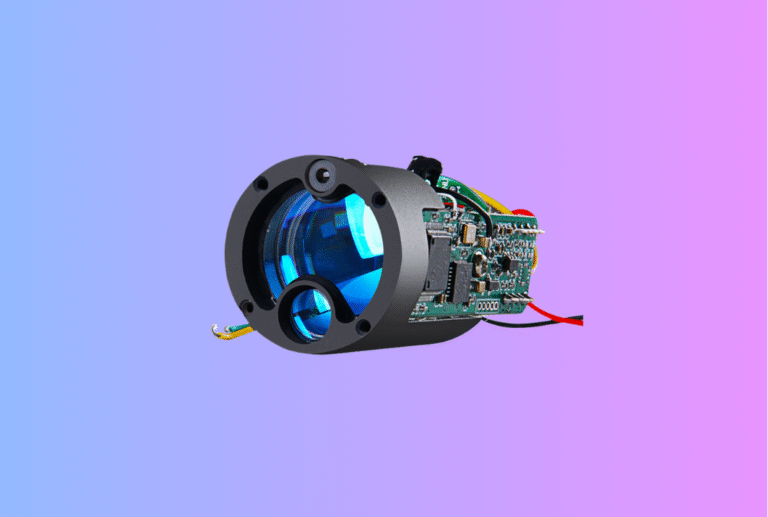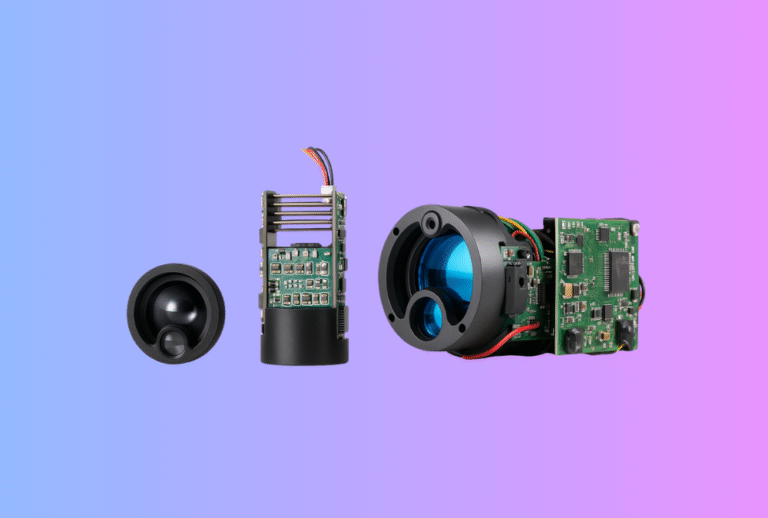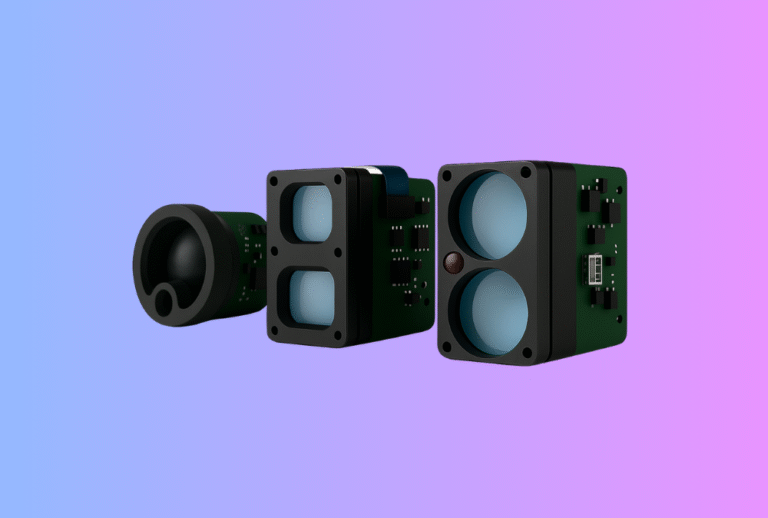

A thermal pistol sight doesn’t “launch” when you have samples and a price list. It launches when dealers can mount it, demo it, explain it, price it, and support it without improvising.
Table of Contents
ToggleImprovisation is what kills early momentum in this category. The product is new to many buyers, the mounting ecosystem is fragmented, and the slide-shock risk profile is harsher than most optics. When your channel partners are forced to improvise—how it fits, how it zeros, what “normal” looks like, what happens if a unit drifts, what the warranty really covers—you don’t just lose a few sales. You create an early reputation of uncertainty, and uncertainty is the fastest way to become “risky inventory.”
This article is the final piece of the thermal pistol sight series: a practical launch pack + warranty pack designed for B2B distribution. It is written for brands running OEM/ODM programs who want clean sell-through while keeping returns and RMAs predictable. It builds on the earlier pillars:
- Platform architecture and selection: Thermal Pistol Sight OEM Platform Selection
- Mount strategy trade-offs: Thermal Pistol Sight Mounts: RMR vs Picatinny
- Durability gate logic: Slide Shock Validation for Thermal Pistol Sights
- “Feels right” adoption drivers: Thermal Pistol Sight Height and Ergonomics
- Workflow-driven return reduction: Thermal Pistol Sight Zeroing and Multi-Gun Profiles
The goal here is simple: turn all of that into a dealer-ready operating system.
Why a launch pack matters more than another feature
Thermal pistol sights fail commercially in predictable ways:
A dealer can’t confidently answer “will it fit my slide/plate,” so they avoid stocking.
A salesperson can’t demo quickly, so the product feels complicated and expensive.
A customer buys with a wrong mental model (range, zeroing, profiles, holsters), then returns due to regret.
The first RMA cases are handled inconsistently, so partners conclude the brand is unreliable.
Early discounting starts because partners want to reduce risk, and then margin protection collapses.
A launch pack prevents this by making the product operationally legible to the channel. It does not need to be long. It needs to be structured. Dealers prefer a smaller set of clear documents and rules that match what they actually do.
In B2B, your product is not only the device. Your product is the device plus the channel system around it.
What this pack must do for dealers in 60 seconds
A good launch pack makes a dealer able to do the following quickly:
- Mount it correctly (footprint, plate, screws, torque, and basic install checks).
- Demo it safely and smoothly (boot, brightness, palette, basic switching, what “normal” looks like).
- Explain expectations without over-promising (realistic use case, what the image means, what range language is safe).
- Zero it and save profiles without confusion (save confirmation, rollback, multi-gun logic).
- Resolve early friction without panic (simple troubleshooting, clear RMA intake, fast “next step”).
If your pack doesn’t make these five tasks easy, the channel will compensate through discounting and avoidance.
The launch pack architecture
Think of the launch pack as three layers:
- Sales layer: what the dealer says and demonstrates (positioning, tier story, “why buy,” and safe claims).
- Execution layer: what the dealer does (mounting steps, zeroing steps, compatibility boundaries, demo flow).
- Support layer: what happens when something goes wrong (warranty rules, RMA flow, swap thresholds, turnaround targets).
Most brands build only the sales layer. That’s why early support becomes chaotic.
Core deliverables in a thermal pistol sight launch pack
A clean B2B pack is not a random folder. It’s a mapped system: each deliverable has an owner, an audience, and a purpose.
This is the only “pack map” table in the article.
| Pack element | What it contains | Who uses it | Why it prevents early channel failure |
|---|---|---|---|
| Product one-pager | positioning, use case, tier story, key boundaries | dealers, distributors | keeps messaging consistent and avoids overselling |
| Fit and mount guide | footprint/plate guidance, screw specs, torque window, install checks | dealers, service | reduces “doesn’t fit” + loose-mount returns |
| Quick demo script | 60–90 sec flow: boot → palette → brightness → NUC note → recording note | dealers | improves conversion and reduces “gadget” perception |
| Zeroing cheat sheet | step flow, save confirmation, rollback, profile selection, common mistakes | dealers, end users | reduces “won’t hold zero” workflow returns |
| Profile rules page | what’s per-profile vs global, naming/labeling logic, recommended profile usage | dealers, support | reduces cross-gun confusion and accidental overwrite |
| Range language guide | detection vs recognition vs identification framing, safe claim boundaries | dealers, marketing | prevents expectation-gap returns and review backlash |
| Warranty summary | coverage scope, exclusions examples, shipping responsibility, timeframe | dealers, distributors | prevents disputes and “surprise policy” conflicts |
| RMA intake form | required evidence: serial, firmware version, profile state, mount stack, steps to reproduce | dealers, support | speeds diagnosis and reduces unnecessary swaps |
| Swap thresholds | DOA window, early-life swap rules, dealer buffer stock rules | distributors, dealers | prevents case-by-case negotiation and delays |
| Spare parts and accessories list | mounts/plates guidance, optional bases, screw kits, battery/accessories | dealers, service | prevents returns caused by missing small parts |
| Firmware/version note | where to check version, how updates are handled, release note policy | support, dealers | turns “unreproducible” into diagnosable cases |
If you can deliver these items cleanly, your first dealer wave becomes structured rather than improvisational.
Fit and mount pack: reduce the most common early regret
Thermal pistol sights attract buyers who already own pistols and plates, and they assume mounting will be simple. If mounting becomes complicated, it becomes a return conversation.
Your fit and mount pack should be disciplined and narrow:
- Declare the primary footprint strategy (don’t sound “compatible with everything” unless you’re prepared to support everything).
- Provide plate guidance by common families (even if you don’t name every model, you should name the families you’ve validated).
- Lock a screw spec and torque window, and teach dealers the “quick checks” after mounting (witness mark approach, seat check).
- Provide one clear story on RMR vs Picatinny use cases to prevent customers from buying a rail-first solution expecting holster-friendly pistol use. If you’re supporting both, clearly position which is primary.
Mount friction creates two expensive outcomes: “doesn’t fit” returns and “zero drift” complaints due to looseness. Your mount pack is the cheapest place to stop both.
Demo pack: sell the experience without creating future returns
Thermal pistol sights sell when customers see the image, but they return when the demo created unrealistic expectations.
Your demo script should demonstrate:
- Speed to usable image (not “logo appears”).
- A small set of palettes and a simple explanation of why palette choice depends on conditions.
- A short explanation of NUC as normal behavior (so it isn’t mistaken as a defect later).
- A simple explanation of brightness/contrast and what “good” looks like.
- A short expectation line: “This is optimized for X use case; it’s not designed to behave like a rifle scope at long range.”
Avoid demoing extreme digital zoom unless you want to sell disappointment. Dealers often do this because it looks impressive. Your demo script should prevent it.
Zeroing pack: convert “mystery drift” into predictable workflow
If your channel sells thermal pistol sights, you will get “won’t hold zero” complaints. Your goal is to ensure a meaningful share of those complaints are resolved as workflow issues, not as RMAs.
The zeroing pack should contain:
- A short step sequence (dealers can teach in one minute).
- Save confirmation behavior and what “saved” means.
- Rollback behavior (restore last saved) and how to use it.
- Profile selection and how the active profile is displayed.
- Common mistakes: wrong profile, no save, loose plate, inconsistent confirmation grip.
This is where the earlier article matters directly: Thermal Pistol Sight Zeroing and Multi-Gun Profiles should inform exactly what you ask dealers to teach.
Pricing and promo pack: keep margin protected while you learn the market
Thermal pistol sights are still a newer category relative to riflescopes, and early programs benefit from controlled learning. Pricing and promo rules are how you learn without creating chaos.
Your pack should include:
- MSRP and MAP (if you use MAP) with clear partner boundaries.
- Dealer cost and distributor economics aligned with real demo effort and early support load.
- A demo unit policy that rewards compliant dealers (and prevents demo units becoming discount inventory).
- A launch promotion rule set that uses bundles and limited-time programs rather than permanent price cuts.
If you don’t control promos, the channel will create promos for you, and those promos usually look like discounting that collapses your ladder before you’ve learned what the market will pay.
Warranty pack: keep it short, clear, and executable
The warranty pack must answer five questions without debate:
- What is covered?
- What is excluded (with examples)?
- Who pays shipping and how is it handled by region?
- What is the resolution path (repair vs swap thresholds)?
- What is the expected timing (SLA language for partners)?
You do not need a long legal document to accomplish this. You need a dealer-readable summary plus an internal appendix for service teams.
Thermal pistol sights specifically require clarity on:
- Mounting misuse vs covered failure (because loose mounts create false drift claims).
- Slide shock-related “abuse” claims (avoid vague blame language; focus on validated boundaries and proper mounting rules).
- Battery/contact and sealing issues (what’s covered, what’s user damage).
- Demo unit policy class (demo units are used harder; define rules so dealers aren’t afraid of demos).
RMA pack: speed beats perfection
In the channel, the first 48 hours of an RMA case determines whether the partner feels safe.
Your RMA intake should require the information that makes thermal issues diagnosable:
- Serial number + proof of purchase.
- Firmware version/build (and profile ID if available).
- Mount stack used: plate family, screw length, torque method.
- Symptom class: drift, reboot, display issue, battery issue, UI freeze, etc.
- Steps to reproduce and a short video if relevant.
This is not “extra paperwork.” This is how you avoid the most expensive behavior: swapping units because support cannot reproduce the complaint.
The RMA pack also needs one consistent rule: what qualifies for immediate swap (DOA, early-life critical failures) and what goes to repair-first. If you don’t define this, dealers will negotiate each case and your support team will burn time.
Service level targets: choose what you can execute
Dealers do not demand perfection; they demand predictability. For pistol thermal, predictability often matters even more because buyers treat the category as high-stakes.
This is the one SLA table I recommend keeping in the pack. It’s simple enough to execute and specific enough to feel real.
| Service step | What the dealer needs | A workable target | What you must have internally |
|---|---|---|---|
| Case acknowledged | “You received it” | 24–48 hours | intake ownership + ticketing |
| Initial triage | “Is it setup vs defect” | 3–5 business days | version visibility + mount stack checklist |
| Resolution decision | “Repair or swap” | within 5–7 business days | swap thresholds + spares rules |
| Turnaround | “When do I get a working unit” | 10–20 business days typical | parts + logistics + repair SOP |
| Closure data | “What was it” | failure code captured | structured RMA coding |
If your organization can’t execute these targets, tighten your promises. Over-promising is the fastest way to make warranty feel dishonest.
Demo units: the launch pack must treat demos as infrastructure
Thermal pistol sights sell better when dealers can show them safely and confidently. But demo units can also become your worst pricing leak if they are treated as discounted inventory.
A disciplined demo policy should define:
- Eligibility (training + compliance).
- Serialization and tracking.
- Demo discount boundaries (not resell-as-new loopholes).
- Demo warranty class (what’s covered, how refresh works).
- Demo lifecycle (inspection cadence, battery/contact maintenance, refresh rules).
A dealer who trusts your demo program is more likely to push the product. A dealer who fears demos will become liabilities will avoid demonstrating, and conversion will suffer.
“Launch sequencing” that keeps early learning cheap
Thermal pistol sight launches are easiest when you start with a narrow partner set and widen only after support metrics stabilize.
A practical sequence:
- Pilot dealer group: tightly trained, demo-enabled, fast support.
- Expand regionally through distributors or trusted dealers once RMA reasons and install friction patterns are understood.
- Scale marketing only when you can support demand without slowdowns.
If you go wide too early, you multiply edge cases (plates, hosts, user behaviors), and you learn through returns. Learning through returns is expensive.
The hidden differentiator: version discipline in support conversations
A large share of “buggy” complaints are version and workflow mismatch complaints. The launch pack should therefore include a simple statement: how to find firmware version, and how updates are governed.
Even if you don’t allow public updates, dealers and service teams must be able to identify build version quickly. That one detail reduces unnecessary swaps and speeds diagnosis.
It also reduces channel distrust, because support conversations become specific rather than vague.
FAQ
Why do thermal pistol sight launches fail even when the product is strong?
Because the channel system is missing. Fit guidance, demo scripts, zeroing clarity, warranty boundaries, and RMA intake rules aren’t defined, so dealers improvise and returns rise.
What should the dealer be able to do in a 60-second demo?
Boot to usable image, switch palettes/brightness, explain NUC briefly, set safe expectations on use case and range language, and point to a simple zeroing workflow.
What is the most common early return cause?
Mounting friction and expectation gaps. “Doesn’t fit,” “too tall,” “hard to use,” and “won’t hold zero” are often workflow and ecosystem problems that a launch pack can reduce.
How do you prevent early discounting?
Protect dealer margin, govern demo units, and define promo rules. Partners discount when they feel risk; reduce risk through predictable support and clear rules.
What’s the simplest warranty improvement that increases dealer confidence?
Clear swap thresholds (DOA/early-life) and predictable acknowledgement/triage timing. Dealers want to know what happens next and how long it takes.
Call to action
If you share your target market, footprint strategy, and channel model (direct-to-dealer vs distributor-led), we can turn this into a ready-to-send Thermal Pistol Sight Launch Pack: dealer one-pagers, mount/zeroing cheat sheets, warranty + RMA templates, demo program rules, and a service SLA that matches your operational capacity.
For program discussions and pack templates, use CONTACT.
Related posts
- Thermal Pistol Sight OEM Platform Selection
- Thermal Pistol Sight Mounts: RMR vs Picatinny
- Slide Shock Validation for Thermal Pistol Sights
- Thermal Pistol Sight Height and Ergonomics
- Thermal Pistol Sight Zeroing and Multi-Gun Profiles
- Thermal Pistol Sight Launch and Warranty Pack