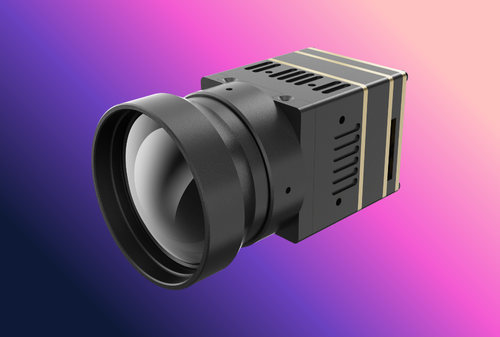
In thermal camera module projects, many OEM delays do not start with the hardware. They start when the module arrives, powers on, and even outputs image data, but the customer still cannot move efficiently because the software package is incomplete, the command structure is unclear, or the API handover is too light for real engineering work.
Table of Contents
ToggleThat is why SDK and API handover matter. For a thermal camera module supplier, hardware delivery is only part of the integration package. If the software handover is weak, the buyer’s engineering team loses time, integration risk rises, and sample approval becomes less meaningful than it looked at first.
Why SDK Handover Matters
A thermal camera module is usually not purchased as a finished end product. It is purchased as an integration component. That means the OEM buyer is often building it into a handheld device, payload, industrial system, UAV platform, or custom embedded product. In those cases, software access is not a secondary issue. It is one of the core conditions that determines whether the module can move from evaluation into real product development.
Without a structured SDK or API handover, the same problems appear repeatedly. The hardware team powers the module successfully, but the software team cannot interpret the control path. The buyer receives sample code, but it does not match the actual module revision. Commands are available, but parameters are not documented clearly enough for efficient implementation. The supplier assumes integration is already possible, while the OEM team still sees the project as blocked.
For thermal camera module business, this matters because the buyer is not only evaluating image quality. The buyer is evaluating whether the supplier can support a real product program. A clean SDK and API handover is often one of the clearest signals that the supplier is ready for OEM work instead of only sample shipment.
What SDK Handover Should Do
A good SDK and API handover should do four things.
First, it should give the buyer enough software access to start real development.
Second, it should define the control path clearly enough that engineering teams do not guess.
Third, it should connect software files to the exact hardware configuration under evaluation.
Fourth, it should reduce repeated clarification after samples arrive.
The goal is not to flood the buyer with every internal engineering file. The goal is to provide a usable, controlled software package that supports the next stage of integration. When the handover is strong, the buyer can move more quickly into application development, interface testing, and system validation. When it is weak, even a good module feels harder to adopt.
What SDK and API Mean Here
In practical OEM use, SDK usually refers to the broader software development package the supplier gives to the buyer. That may include libraries, sample code, control tools, setup notes, revision references, and documentation needed to start software integration. API usually refers to the defined control interface itself: commands, parameters, data access behavior, and the rules governing software interaction with the module.
This distinction matters because many projects use the two terms loosely. A supplier may claim to provide an SDK when it is really providing only a basic command list. Another supplier may provide sample software but with no clear API description. The buyer then receives pieces of support, but not a usable handover package.
For thermal camera modules, the cleanest approach is to think of the SDK as the handover package and the API as the core interface definition inside it. Both matter. One without the other is usually not enough for efficient OEM development.
When Handover Should Happen
The SDK and API handover should happen early enough to support the buyer’s real engineering timeline. If the hardware arrives first and the software package follows much later, the customer’s team often loses momentum. Hardware evaluation may begin, but software integration, command testing, and host-side development remain blocked.
For thermal camera modules, the best timing is usually tied to sample delivery or slightly before it. If the OEM customer is serious enough to request evaluation modules, the software package should already be prepared in a form that matches the actual sample configuration. That does not mean the supplier must release every future production file at the first stage. It means the supplier should release enough current software support to let the customer use the module meaningfully.
Good timing reduces one of the most common integration failures: the module is physically present, but the engineering team still cannot begin real work.
Handover Scope
A strong handover starts by defining scope. What exactly is being delivered? Is the customer receiving a control library, command reference, evaluation tool, sample code, integration notes, and communication examples? Or only one subset of those items?
This matters because many handover problems are really scope problems. The buyer expects a usable engineering package. The supplier believes a few example files are already enough. Neither side is deliberately wrong, but the project loses time because the handover package was never defined precisely.
For thermal camera modules, scope should usually be stated against the actual module offer. If the module is sold as an OEM integration platform, the supplier should hand over a package that matches that positioning. A project that needs command control, video integration, and host-side behavior should not be supported only by a minimal setup note.
A defined scope makes both evaluation and future support easier.
Hardware and Software Matching
One of the most important handover rules is that software deliverables must match the actual hardware configuration being tested. This sounds obvious, but it is one of the most common failure points in OEM projects.
For thermal camera modules, mismatch can happen in several ways. The buyer may receive command documentation for one module revision while testing another. The sample software may assume a different interface board than the one actually shipped. The control tool may work with an earlier firmware baseline but not with the current sample. These mismatches can make the module appear unstable even when the real problem is only version inconsistency.
That is why a good handover package should clearly identify which module revision, which firmware or control baseline, and which interface configuration the SDK or API files belong to. Software support that is not tightly linked to the tested hardware is weaker than it appears.
What the SDK Package Should Include
A useful SDK package does not need to be oversized, but it should be complete enough to support early OEM development. In most cases, the buyer benefits from receiving a structured package rather than a loose collection of files.
For thermal camera modules, a practical SDK package often includes the core library or control package, setup notes, example code where relevant, interface usage examples, parameter reference, revision notes, and a short explanation of what the package is intended to support. If the module includes host-side tools or a demo application, those should also be identified clearly.
The key is usability. The buyer’s engineering team should be able to open the package and understand what each part is for. If the package feels like an internal engineering folder that was exported quickly without structure, the handover still remains weak.
API Description
The API description is the center of the software handover. It should explain what the buyer can control, what responses or outputs should be expected, and how the host-side system should interact with the module.
For thermal camera modules, this usually means command categories, parameters, return behavior, state assumptions, and any control conditions the buyer needs to understand before building software around the module. The goal is not to create a large theoretical document. The goal is to make control behavior understandable enough that engineers can build with confidence.
A weak API description usually creates the same problem. The buyer can send commands, but cannot tell whether the module behavior is normal, incomplete, or incorrectly implemented. A strong API description reduces that uncertainty early.
Sample Code
Sample code is highly valuable in OEM projects because it shortens the path between file delivery and practical engineering use. Even when the API is documented, sample code helps the buyer’s team understand intended behavior faster.
For thermal camera modules, sample code is especially useful where interface setup, command order, initialization flow, or host-side communication logic would otherwise take extra time to interpret. The code does not need to become a production-ready application. It simply needs to show real usage patterns that make the API easier to apply.
This matters because many SDK packages fail not because documentation is absent, but because it remains too abstract. A working example often gives the customer a faster entry point than a longer explanation alone.
Demo Tool and Evaluation Tool
If the supplier provides a demo tool or evaluation utility, that should be part of the handover package and clearly explained. Such tools are often useful because they help the buyer confirm module behavior before fully integrating the API into the host system.
For thermal camera modules, a demo tool can support quick checks of communication, parameter setting, image response, and baseline command behavior. It also helps separate software-package issues from module-level issues during early evaluation. If the tool works and the buyer’s own host system does not yet work, the engineering team has a stronger starting point for troubleshooting.
A demo tool does not replace the API, but it makes the handover more usable.
Interface Notes
A software handover is stronger when it includes practical interface notes instead of only command listings. The buyer usually needs to know not just what functions exist, but how the communication path should be understood in real integration.
For thermal camera modules, this may include initialization sequence, timing assumptions, expected host-side flow, default communication behavior, reset conditions, or known points that matter during early setup. These notes help prevent the buyer’s team from learning the interface only through trial and error.
This is one of the places where OEM buyers often judge supplier maturity. A supplier that anticipates the real setup questions usually feels easier to work with.
Version Notes
Version control is critical in SDK and API handover. The buyer should know which version of the package it received, which hardware or firmware baseline it matches, and whether any open limitations still exist.
Without version notes, engineering confusion grows quickly. One team may work from one release, another from another, and later nobody can tell which files were actually used to build the first prototype. That weakens debugging, acceptance review, and future change control.
For thermal camera modules, version notes should therefore be clear enough that the buyer can always answer a simple question: which exact package are we building against?
Installation and Setup Notes
A handover package is not fully usable if the buyer still needs to guess how to start using it. That is why setup guidance belongs in the package.
For thermal camera modules, this may include installation steps, required environment assumptions, dependency notes, basic toolchain expectations, or how to launch the evaluation application if one exists. The buyer should not need extensive support calls to perform the first software test.
Good setup notes save time for both sides. They also help reveal faster whether the remaining challenge is technical integration or simply missing startup guidance.
Parameter Definition
A useful API handover should explain key parameters clearly enough that the buyer can use them with confidence. This includes not only names, but ranges, meaning, and expected behavior.
For thermal camera modules, parameter ambiguity is a common source of integration delay. Engineers may see a parameter in the API but remain unsure how it behaves under real conditions, whether it persists across power cycles, or whether it affects only one stage of operation. If that logic is not defined, the buyer may hesitate to use the control path fully.
A strong parameter definition section reduces that hesitation and makes software evaluation more meaningful.
Error Handling Notes
A professional API handover should also describe how errors, invalid states, or abnormal responses are handled. Without this, the buyer may not know whether one unexpected behavior reflects a module issue, a communication issue, or an unsupported usage path.
For thermal camera modules, this does not need to become a complete fault manual. But the buyer should understand at least the basic logic of invalid command response, unavailable function response, startup-state limitations, or common integration-side failure conditions.
This matters because engineering teams usually trust an API more when they understand not only the success path, but also the controlled failure path.
Performance Expectations
The SDK and API handover becomes more useful when the supplier defines practical software-side performance expectations. That does not mean promising unrealistic numbers. It means helping the OEM team understand what level of responsiveness or stability should be normal under the tested setup.
For thermal camera modules, this may include startup timing direction, control response expectations, update behavior, or data-path consistency at a general level. If the supplier stays completely silent on expected behavior, the buyer’s team must guess whether the module is performing normally.
A short performance note can therefore reduce unnecessary troubleshooting and improve acceptance efficiency.
Security and Access Control
Some OEM projects require the buyer to understand how software access is controlled. This may include whether the full command space is open, whether some functions are protected, or whether future production integration involves different levels of access.
For thermal camera modules, this point matters because the buyer may assume full API openness while the supplier expects a more limited evaluation package. That mismatch often appears late unless the handover defines it clearly.
A clean explanation of access scope prevents the buyer from building expectations on functions that are not actually part of the current offer.
Documentation Structure
The structure of the handover package matters almost as much as the content. A buyer can work faster with a smaller, well-organized SDK than with a larger but messy file drop.
For thermal camera modules, the software package should be organized so that engineering teams can find the key pieces quickly: version note, setup guide, API reference, sample code, tool access, and interface notes. If the structure is unclear, the package feels less mature even when the technical content is solid.
A well-structured handover also makes future update management much easier.
Handover Readiness Check
Before releasing the package, the supplier should perform a basic internal readiness check. This helps confirm that the SDK, API description, sample code, and related notes actually match the shipped hardware and can still be used as intended.
For thermal camera modules, this check is especially valuable because many support delays come from preventable mismatches that could have been caught before handover. A quick internal validation of package completeness, file version consistency, and basic demo-tool usability often saves far more time later than it costs now.
A supplier that checks the package before delivery appears much stronger to OEM buyers.
Buyer-Side Acceptance of the SDK
The handover itself should be accepted in a controlled way, not only the hardware. The buyer should be able to confirm whether the SDK and API package is complete enough for the current project stage.
For thermal camera modules, this may mean the buyer confirms that installation works, that key commands can be exercised, that the documentation is readable enough, and that the package aligns with the sample hardware. It does not mean every future software question is already closed. It means the handover is strong enough to let the project move into the next engineering step.
A module is often only partially accepted if the hardware passes but the software package does not.
Open Issues and Follow-Up
Not every first handover will be perfect. That is acceptable, as long as open issues are visible. If something remains incomplete, the supplier should state what it is, what impact it has, and what the follow-up path looks like.
For thermal camera modules, this may include pending documentation improvement, future command extension, upcoming SDK revision, or clarification around one function still under controlled release. The important point is that open items should be named clearly, not discovered later by accident.
A visible follow-up path keeps the project moving while protecting credibility.
Change Control After Handover
Once the buyer begins development, the software package should not drift informally. If SDK files, API behavior, or control logic change, those changes need to move through visible version control and communication.
For thermal camera modules, this is especially important because the buyer may already be writing code against the delivered package. A later undocumented change can create significant integration cost. That is why post-handover change control is part of the handover quality itself.
A clean package today is good. A controlled package over time is much better.
SDK Handover Matrix
A simple matrix helps keep the process practical.
| Handover area | Main question | Main output |
|---|---|---|
| Scope | What exactly is included? | Defined software package |
| Hardware match | Does the package align with the tested module? | Configuration consistency |
| Setup | Can the buyer start using it quickly? | Faster engineering entry |
| API reference | Are functions and parameters clear enough? | Usable control logic |
| Sample code | Can the buyer see real usage flow? | Practical implementation support |
| Tool support | Is evaluation easier before full integration? | Faster validation |
| Version control | Is the package traceable over time? | Cleaner development control |
| Open issues | What is still pending? | Managed follow-up path |
This kind of structure keeps handover clear without making it overly heavy.
Common Handover Mistakes
Several mistakes appear repeatedly. One is shipping the module before the software package is really ready. Another is delivering files that do not clearly match the actual hardware revision. Another is providing commands without usable parameter explanation. Another is handing over sample code without setup guidance or version clarity.
A further mistake is treating SDK delivery as a one-time file transfer rather than as part of the module’s OEM acceptance logic. For thermal camera modules, that usually creates delays much larger than the missing files themselves.
The strongest handovers are not the biggest. They are the ones that let the buyer’s engineering team start real work with fewer avoidable questions.
Conclusion
A thermal camera module SDK and API handover checklist is a practical OEM project tool. It helps the supplier turn software support into a usable integration package by aligning files, hardware configuration, setup logic, control documentation, and version discipline.
For OEM buyers, this reduces engineering delay and makes module evaluation more meaningful. For suppliers, it reduces repeated clarification and supports a more professional path from sample delivery to real product integration. For both sides, it turns “software support available” into a controlled handover that can actually support development.
The most useful principle is simple: do not hand over an SDK as a loose file set. Hand it over as a matched, usable, traceable package that supports the exact thermal camera module the customer is testing.
FAQ
Why is SDK handover important for a thermal camera module project?
Because OEM buyers usually integrate the module into a larger system. Without a usable SDK or API package, hardware evaluation alone is not enough to move the project forward efficiently.
What should a basic SDK handover include?
Usually version notes, setup guidance, API reference, sample code, any available evaluation tool, and clear linkage to the actual hardware configuration being tested.
Is API documentation alone enough?
Not usually. The buyer often also needs setup instructions, example usage, version clarity, and in many cases a demo tool or sample code to begin development efficiently.
Why does hardware and software matching matter?
Because a software package that does not match the actual sample revision can make the module appear unstable even when the real issue is only version inconsistency.
What is the biggest SDK handover mistake?
A common mistake is delivering the hardware while the software package remains incomplete, unclear, or mismatched to the tested module.
CTA
If you are building an OEM or integration project around a thermal camera module, a stronger SDK and API handover will reduce engineering friction and speed up real integration work. For project discussion, please visit CONTACT.