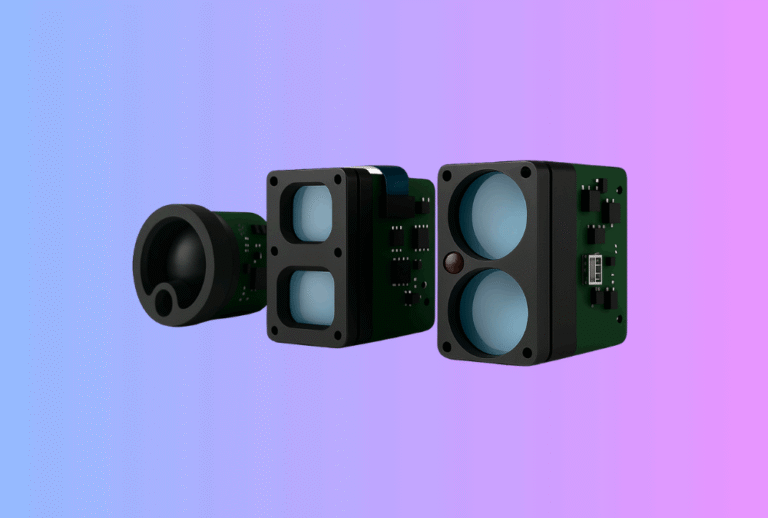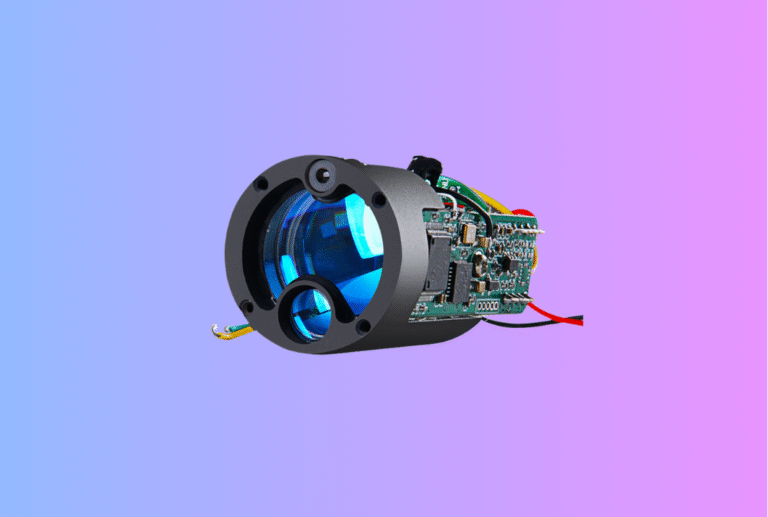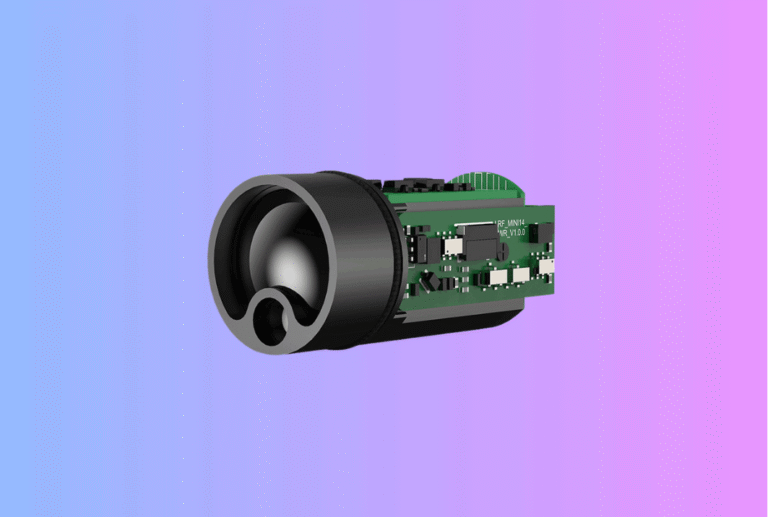
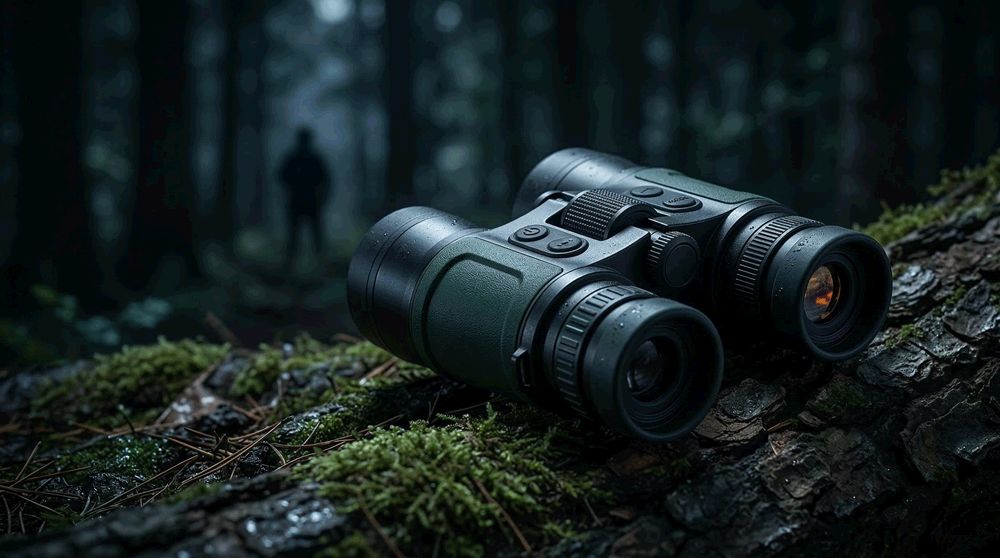
Thermal binoculars are sold on “confidence,” but confidence is built on something much more concrete: buyers need to know what they can reliably detect, recognize, and identify in their terrain, their humidity, and their workflow.
Table of Contents
ToggleThat’s why DRI planning (Detection / Recognition / Identification) is not a technical exercise you do after the product is chosen. In B2B channels, DRI is a range-language control system: it prevents dealers from overselling, it prevents customers from buying the wrong FOV tier, and it gives distributors a defensible story when an end user’s night doesn’t match a marketing clip.
This article shows how to plan DRI for thermal binocular terminal products in a way that holds up in real use cases—so your SKU ladder is coherent, your claims are teachable, and your validation is repeatable. For category context, reference your product page Thermal Binoculars.
Why DRI planning is more important for binoculars than monoculars
Binoculars are long-session devices. Users often glass for extended periods, pan more, and rely on comfort and stability. That means two things:
First, buyers naturally expect “premium performance,” and that premium expectation amplifies range disappointment. If a budget monocular underperforms, the user shrugs. If a premium binocular underperforms, the user returns it.
Second, binocular users tend to demand recognition confidence more than “maximum detection.” They are often asking: “Is that a hog or a deer?” “Is that a person or a fence post?” DRI planning helps you anchor that recognition expectation to realistic scenarios rather than to a single max-distance number.
If you don’t plan DRI properly, dealers fill the gap with speculation, and speculation becomes returns.
Fix the language first: what D, R, and I mean in a dealer channel
DRI is useful only when your channel uses it consistently. The simplest dealer-friendly definitions are:
Detect: You can tell something warm is present.
Recognize: You can tell the class (animal/person/vehicle) with confidence.
Identify: You can tell exactly what it is (species/type) with confidence.
The key B2B rule is that you should not headline “detection” numbers as if they are “identification” experience. Detection is easiest to inflate and easiest to misunderstand. Recognition is what dealers actually sell.
If you want a single “range” statement that holds up, make it a recognition band under defined scenarios, then optionally provide a secondary detection context number.
Start DRI planning from mission and target class, not from sensor spec
Most binocular programs fail by starting with sensor resolution and then reverse-engineering a range story. The correct direction is the opposite:
- Define the mission (guides/outfitters long glassing, security patrol, wildlife observation, open-terrain spotting, etc.).
- Define the target classes that matter (human-size, medium animal, small animal, vehicle).
- Define the terrain and thermal contrast conditions where the buyer operates (open fields, mixed brush, forest edges, humid river valleys, etc.).
- Only then choose the lens/FOV tier that matches the mission, and select sensor tier to support it.
If you’re selling into professional guide or outfitter use, the “recognize reliably while panning all night” requirement often matters more than one heroic identification screenshot. (You already have relevant market framing content around guides/outfitters on your blog, which signals that “real use patterns” are a theme your audience responds to.)
The hidden driver: FOV tier controls DRI outcomes more than most buyers realize
For thermal binoculars, lens/FOV tier is the “silent DRI lever.”
- Wider FOV improves scanning and detection comfort, but identification at distance becomes harder without heavy digital zoom.
- Narrower FOV increases pixel density on target at distance, improving recognition and conditional identification, but scanning becomes tiring and panning can feel less natural.
This is why your SKU ladder should be planned by FOV tier first, then DRI claims are assigned within that tier.
If you try to sell a wide-FOV binocular as a long-range identifier, you force customers into digital zoom. They will experience shake, noise, and “softness,” and they will blame the product.
DRI planning must include “magnification envelope,” not only distance
Distance numbers alone are incomplete. Binocular buyers care about the usable experience, which depends on how much zoom they need to apply to achieve recognition or identification confidence.
A practical planning step is to define a magnification envelope that remains comfortable for typical hand-held use (or harness-supported use). If your “identification” story requires frequent maximum digital zoom, then the product is not an “identification-first” binocular in real use.
In B2B terms: if your claim forces most users into uncomfortable zoom behavior, you will see returns even if the claim is technically defensible.
Scenario planning: the fastest way to make range claims credible
DRI should be scenario-based. That doesn’t mean you publish a scientific report. It means you standardize the scenarios your internal team uses to define “typical,” and you teach dealers to reference those scenarios.
A good scenario set usually includes at least:
- Open terrain, high contrast (clear night, target against cooler background)
- Mixed terrain, medium contrast (brush edges, partial clutter)
- Humid / low-contrast (thermal wash, reduced separation)
If your markets include winter and vehicle transitions, you may also include “cold air / warm target” and “warm ground / low contrast” as separate scenarios.
The output should be a recognition band per scenario, not a single max number.
A DRI planning matrix you can actually run (and teach)
This is the only table in this article. It is designed as a planning matrix that ties mission → target → scenario → what you should claim.
| Mission | Target class | Scenario emphasis | What to claim publicly | What to validate internally |
|---|---|---|---|---|
| Long glassing (hunting/wildlife) | medium animal | mixed terrain + panning comfort | recognition band + comfort envelope | panning clarity + recognition at band distances |
| Security patrol | human-size | low contrast + evidence workflow | recognition band + recording stability note | recognition + recording integrity + runtime under use mode |
| Open terrain spotting | medium animal / vehicle | open terrain + long distances | recognition band + conditional ID guidance | recognition at distance + zoom usability without frustration |
| Professional guide use | mixed animal sizes | mixed terrain + long sessions | recognition band + fatigue/comfort story | long-run stability + ergonomic fatigue + consistent controls |
This table does two things: it prevents you from selling the wrong story (e.g., “max ID”) and it forces you to validate the behaviors that create returns (panning comfort, long-run stability, recording reliability).
Validation design: make DRI repeatable without turning it into a lab
Most brands either under-test (one perfect night, one hero clip) or over-test (a plan that can’t be executed). A B2B-ready DRI validation design is repeatable and lightweight:
- Use consistent target substitutes (or controlled target sizes) for each target class.
- Use known distance markers in a field route.
- Keep device settings controlled: same palette, same enhancement defaults, same zoom steps.
- Record the outcome as D/R/I decisions rather than “looks good / looks bad.”
You don’t need to validate every unit by field testing. You validate the platform and the SKU claim, then you use manufacturing discipline to keep the shipped product consistent. This is where your upstream governance matters—batch traceability, stable defaults, controlled changes—so “same model stays the same.” Your Manufacturing & Quality positioning supports this story.
Dealer scripts: the commercial value of DRI planning
DRI planning only creates B2B value if it becomes dealer language. Your dealers need one tight script that prevents misunderstanding:
- “This binocular is optimized for long scanning comfort. You’ll recognize reliably within a typical band; identification depends on conditions.”
- “Detection is farther than recognition. Recognition is what you should shop for.”
- “Humidity and background clutter reduce separation; that’s normal.”
- “If you need more ‘reach,’ you choose the narrower-FOV tier, but scanning comfort changes.”
When dealers have this script, they sell confidence. When they don’t, customers buy a number and return a reality.
If you centralize dealer-facing quick guides and scripts, your Downloads hub is the right pattern to keep materials current.
How to defend your DRI claims against competitor “max range” marketing
Competitors will often publish the highest possible detection range. If you chase them, you train the market to compare meaningless numbers. The better B2B strategy is differentiation through credibility:
- Lead with recognition band and “what it feels like” (comfort, stability, long-session use).
- Provide scenario notes in one sentence (“open field vs humid brush”).
- Keep detection as a secondary context number, not the headline.
This makes your claim harder to misunderstand and easier to support when a customer says “it didn’t match the number.”
Evidence workflows need their own DRI discipline
If your binocular is sold for “evidence capture” (security, inspections, patrol), DRI is only half the story. The buyer’s confidence depends on whether the device can:
- record reliably for long sessions
- preserve file integrity
- maintain stable time/date behavior (or at least predictable metadata handling)
- avoid unexpected interruptions (battery surprises, overheating, unstable Wi-Fi)
In those programs, you should tie DRI planning to a “workflow promise.” Otherwise buyers will judge the product by a range number while your real differentiator is reliability.
Common mistakes that create DRI-driven returns
These are the repeat offenders in dealer channels:
- Publishing detection as if it implies identification.
- Selling a wide-FOV scanner as a long-range identifier.
- Letting marketing footage rely on maximum digital zoom as the “normal” view.
- Ignoring humidity/low-contrast scenarios in validation.
- Allowing firmware/default tuning drift, so later shipments don’t match early demos.
DRI planning is the framework that prevents these mistakes because it forces you to define “normal” and teach it consistently.
FAQ
Do I need to publish full DRI tables for thermal binoculars?
Not usually. A B2B-friendly approach is to publish a recognition band with a short definition, and keep detailed scenario-based DRI results internal for sales and support.
Why do customers confuse detection range with identification range?
Because “range” is ambiguous and marketing clips often imply identification at long distance. Dealer scripts and clear definitions stop this.
What matters more for binocular DRI: resolution or lens/FOV?
For many real use cases, lens/FOV tier shapes DRI outcomes more than resolution alone, because it determines pixel density on target and how much zoom users must apply.
How should I validate DRI without a lab?
Use a repeatable field route with distance markers, controlled settings, and defined target classes. Record outcomes as detect/recognize/identify decisions, not “looks good.”
How does DRI planning reduce returns?
It prevents mis-selling. When customers buy the right FOV tier for their mission and understand what recognition means, regret returns drop sharply.
Call to action
If you share your target markets (hunting vs security), preferred SKU ladder (scan-first vs balanced vs reach), and your typical terrain (open vs brush vs humid), we can help you translate DRI planning into a publishable claim set and a dealer demo script that holds up.
For program discussions, use CONTACT.