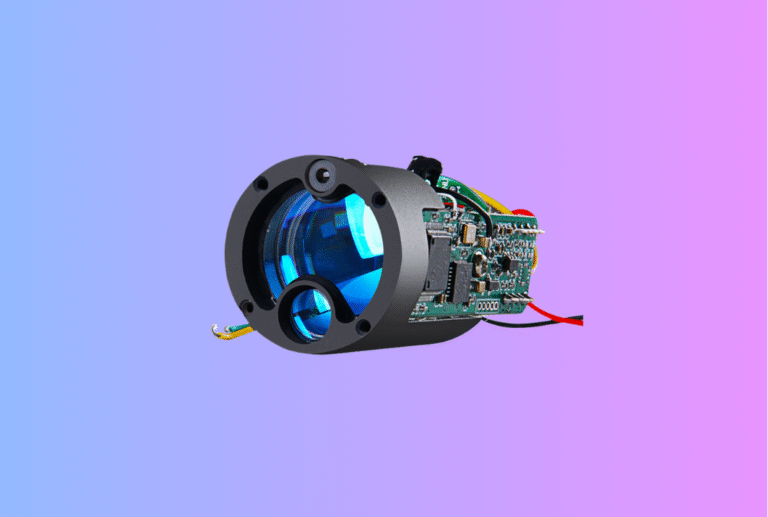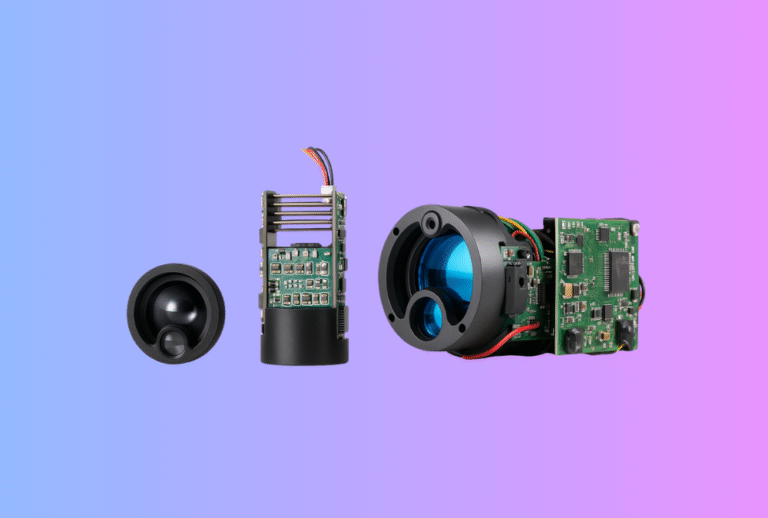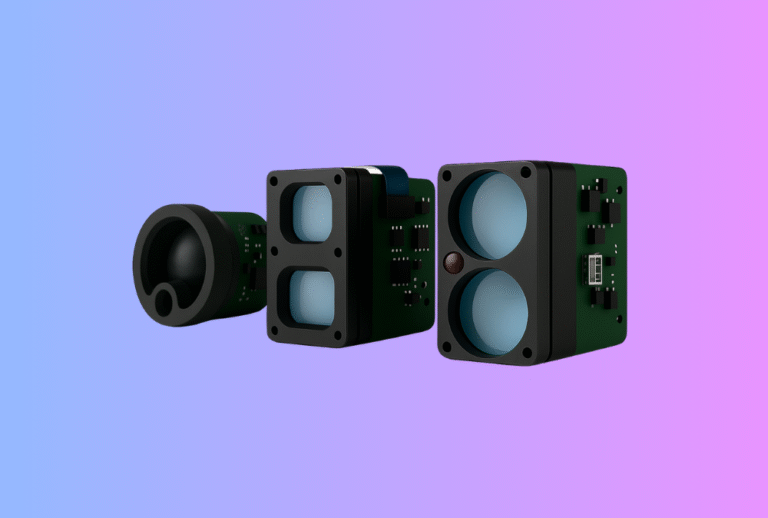

FPV programs move on compressed clocks. Airframes update fast, supply windows are short, and field acceptance depends on how cleanly a laser rangefinder module integrates with HUD, power, thermal, and EMI realities. A rigorous OEM engagement model reduces rework, stabilizes lead time, and turns a promising pilot into a repeatable SKU. This article lays out a buyer-friendly path from inquiry to mass production, with the exact decision gates, deliverables, and commercial anchors your team needs to forecast, launch, and scale.
Table of Contents
Toggle1. Who this is for and the outcomes you can expect
If you are an FPV airframe OEM, payload maker, or distributor preparing white-label kits, your success will hinge on three outcomes: time-to-first-range, acceptance rate at field trials, and run-rate gross margin after launch. The engagement model below is designed to compress discovery to under a week, align engineering with procurement, and keep firmware and compliance changes compatible with your fleet once you are live.
2. Scope and baseline assumptions
We focus on Class 1 eye-safe FPV laser rangefinder modules that expose UART CAN or MAVLink telemetry and are mounted on compact gimbals or rigid noses. We assume 5–12 V power budgets, typical FPV EMI environments, and a desire to log confidence or n_returns for better HUD stability. Environmental envelopes and optics variants are locked during DVT to prevent downstream churn.
– Laser Rangefinder Module
– OEM/ODM Playbook
3. The engagement model in five clean phases
Phase A Discovery and fit
In forty-eight hours, both sides should know whether there is a fit. The buyer shares airframe basics, power limits, mounting envelope, interface preference, and target scenes. We return a module shortlist, a first-pass lead time, and a testable definition of “good”: jitter thresholds on HUD, first-range time, and acceptable false-positive rate at typical reflectivities. Translating these outcomes into acceptance lines earlier prevents later “moving goalposts.”
Phase B Feasibility and commercial offer
Engineering confirms optics and pulse budgets against IEC 60825-1 limits, proposes divergence and receiver aperture, and picks the firmware branch (e.g., with multi-echo and confidence fields). Commercials specify MOQ bands, capacity reservation, and an evaluation kit plan that credits toward purchase orders. The offer also includes a draft NPI timeline with EVT DVT PVT gates—because dates without gates are not schedules.
Phase C EVT evaluation kit and on-airframe proof
EVT is where teams usually lose or gain a month. Success here comes from a clean interface contract (message map and pinout), a basic bench fixture that eliminates mounting drift, and short flight sorties that log telemetry for review. A good EVT ends when HUD jitter is tamed, EMI noise is characterized, and heat paths are known. Any cosmetic customizations should wait—locking function first is cheaper and faster.
Phase D DVT pilot with acceptance criteria
DVT validates reliability and final behaviors in three representative scenes: approach and hover, landing assist, and near-field obstacle bubble. We freeze optics and enclosure, upgrade damping or potting as needed, and standardize a data pack: flight logs, short clips, and CSVs per unit. Passing DVT means your future channel units will behave like test units, not like cousins.
Phase E PVT to MP with change governance
PVT demonstrates the production line, traceability, and OQC. We create a golden sample and master calibration file, prove the work instructions, and sign off on packaging and label proofs for either neutral or co-branded shipments. Once in MP, we hold to PCN windows and ECO severity levels to avoid field disruptions, with an after-sales SLA that prevents “no fault found” from flooding your support queue.
4. What gets delivered at each gate and why it matters
At every phase, deliverables exist to remove ambiguity. During Discovery, a one-page PRD with metrics sets the tone. During Feasibility, the module shortlist and capacity options let procurement stage orders without cornering engineering. EVT bundles an evaluation kit with harness, reference app or ROS2/MAVLink bridge, and a printable bench fixture. DVT ships closer-to-final hardware with firmware features required for HUD confidence stability. PVT outputs a traceable TDP—mechanical drawings, electrical pinout, message maps, calibration evidence, and version history—so auditors and distributors can do their jobs without escalations.
5. NPI timeline everyone can live with
A realistic path looks like Week 0–1 Discovery and NDA, Week 1–2 Feasibility and quote, Week 2–4 EVT kit build, Week 4–6 field trials, Week 6–9 DVT acceptance, Week 9–12 PVT line run, and Week 12+ MP. The substance is not the dates but the gate criteria: jitter budgets on HUD; first-range time; EMI immunity under typical FPV RF loads; and confirmation that message-level compatibility will be maintained for N minor firmware releases. Timelines that omit these criteria invite schedule theater and late surprises.
6. Commercial anchors that prevent friction
B2B buyers need forecastable numbers. Pricing tiers should reference volume and configuration stability; custom optics or housings may necessitate NRE and higher MOQs, but the core module SKU must stay stable to protect channel inventory. Capacity reservation via refundable or creditable deposits ensures laser and optics long-lead items are not left to the spot market. Incoterms and logistics expectations are agreed upfront, with options for distributor-ready kit SKUs that include harnesses and fasteners to avoid last-mile delays.
7. Compliance and risk management without drama
Compliance is best handled as evidence and practice, not slogans. We target Class 1 at worst-case parameters where required, and we document the assumptions—operating modes, duty cycles, optics. For public demos or trade shows, safe-use statements and crowd-distance guidelines are part of the TDP. EMI and environmental readiness travel with routing and grounding notes and an outline of vibration, shock, and temperature tests to be finalized at DVT. Export classification and origin statements are prepared early so procurement and customs do not become launch blockers.
8. Change control that respects fleets
When you ship thousands of FPV laser rangefinder modules, compatibility is a promise. A disciplined PCN window precedes any change that might affect form fit function firmware or compliance. ECO levels separate cosmetic changes from major behaviors, each with the right communication and test burden. We either maintain message compatibility for a defined number of minor releases or provide shims and clear upgrade windows. This is the difference between a product line and a series of experiments.
9. Service levels RMA and spare strategy
SLA targets keep programs healthy: first response within a business day, engineering within seventy-two hours, with advance replacement on DOA when evidence packs are supplied. RMA flows are designed to deflect NFF while staying fair; serial numbers tie to calibration evidence for traceability. A sensible spare policy (two to five percent of installed base, plus harness and fastener packs) lets field teams fix problems same-day instead of shipping whole units back and forth.
10. Measuring ROI like a program owner
For an FPV rangefinder program, ROI comes from getting to stable range telemetry early and staying there. The levers are time-to-first-range, DVT pass rate, NFF rate, and run-rate yield. Documentation quality and packaging accuracy may not seem like profit centers, yet they determine how fast distributors can list a kit and how many support tickets you open in month one. Programs that standardize acceptance scripts and keep version governance disciplined are the ones that hit margin targets.
11. What to do next
If Discovery looks promising, request the evaluation kit and agree on a two-week EVT window with a single owner on each side. Share your mounting envelope and interface preference so we can deliver a tuned build, and ask for the PCN ECO and SLA templates for your internal review cycle. The sooner we align on NPI gates and deliverables, the faster your FPV laser rangefinder module becomes a stable, channel-ready SKU.
If your team is evaluating an FPV laser rangefinder module for an upcoming platform or channel kit, let’s compress discovery to days not weeks. Request an evaluation kit, book a 30-minute engineering consult, and grab the OEM starter checklist so we can lock the interface contract, HUD behavior, and NPI gates early.