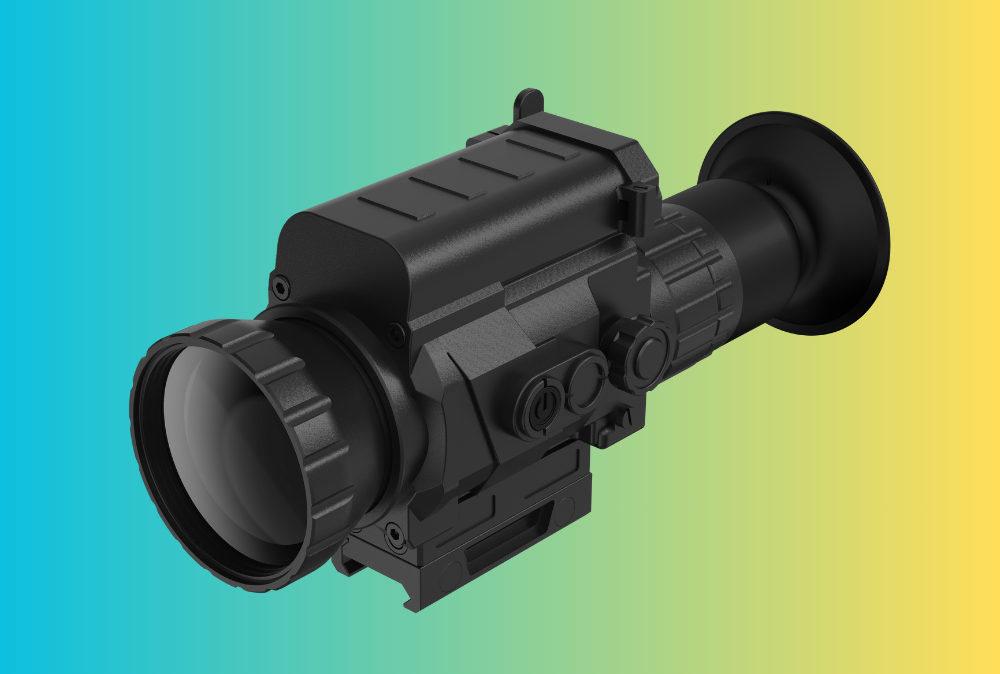
For a hunter, a Thermal Hunting Scope is a tool.
For a B2B partner, it is much more: it carries your logo, your warranty, your promises to dealers and end users. One faulty batch of scopes can undo years of brand building and destroy trust with outfitters, shooting clubs and key retail accounts.
Table of Contents
ToggleThat is why serious partners do not ask only, “What is your price?”
They ask, “How do you test these scopes, and how will your quality control protect my reputation?”
In this article, we open the factory doors and walk through how Gemin Optics designs quality assurance for thermal hunting optics—from incoming components to final packing. The goal is simple: every scope that leaves our line should be one you are proud to sell as the best thermal scopes under your brand, whether it is an entry-level workhorse or a flagship predator rig.
1. Why strict QC matters more than ever for Thermal Hunting Scopes
Thermal hunting technology has moved from niche to mainstream. Distributors and dealers now sell:
- entry models marketed as best budget thermal scope choices
- mid-range workhorses for local hog hunters
- premium systems like best thermal scope for coyote hunting with integrated LRF
On the surface, many products look similar. But behind the housing, quality differences are huge. If one batch develops dead pixels, won’t hold zero or shuts down in cold weather, hunters will not blame the factory in China—they will blame the brand on the side of the scope.
For B2B partners, quality control is therefore not a technical detail; it is brand insurance. The right QC system turns a Thermal Hunting Scope programme into a long-term asset instead of a reputational risk.
2. Where failures really come from in thermal hunting optics
To design effective testing, you first need to understand where scopes fail in the real world. Typical root causes include:
- Sensor or electronics instability – dead pixels, random noise, boot failures.
- Optical misalignment – poor collimation, POI shift under recoil, focus problems.
- Mechanical weaknesses – cracked housings, loose mounts, switch wear.
- Environmental vulnerability – fogging, water ingress, performance drift in heat or cold.
- Firmware and UI issues – freezes, incorrect zero profiles, user confusion.
Low-cost imports often skip or minimise one or more test stages. Our philosophy is the opposite: assume the scope will be used in the worst legitimate conditions and verify it beforehand. That is how we support B2B partners who want their products to stand among the best thermal rifle scope offerings in their market, not just the cheapest.
3. A layered quality strategy: from design to final inspection
Quality control starts long before the first scope is assembled. At Gemin Optics we treat QC as a layered system:
- Design for reliability – choose architectures and components proven in both hunting and industrial devices.
- Incoming inspection – verify that every batch of cores, lenses and PCBs meets specification.
- Process control – document and control each assembly step, with in-line tests.
- Environmental and stress testing – simulate years of field use in hours or days.
- Optical and boresight verification – ensure what the hunter sees matches where the shot lands.
- Final QA and sampling – independent checks before scopes are released to shipping.
Let’s look at each layer in more detail.
4. Design foundations: cores, optics and platforms
A good QC system starts with stable building blocks. Our thermal rifle scopes and thermal clip-on sights use the same core technology families as our industrial products, which run 24/7 in far harsher duty cycles than hunting.
4.1 Proven thermal camera modules
At the heart of every Thermal Hunting Scope is a core based on our thermal camera modules. These modules have their own qualification cycle:
- NETD measurement and sensor noise analysis
- long-duration stability tests at multiple temperatures
- non-uniformity correction (NUC) characterisation
By the time a module is built into a hunting scope—whether an entry unit or a premium thermal scope for ar15 platform—it has already passed several engineering gates.
4.2 Rugged housings and recoil design
We design housings to meet specific recoil ratings (e.g., .308 Win, 12-gauge) with safety margins. Mount interfaces, screws and alignment pins are modelled and validated to resist repeated shock. The aim is to keep boresight stable so that each scope can truly function as a reliable infrared scope for rifle in the calibres you sell most.
5. Incoming quality control: stopping problems at the gate
Once you move from design to production, incoming materials are the first line of defence.
5.1 Sensor, lens and PCB inspection
Critical components receive 100% or sampling-based checks, depending on risk level:
- sensors and PCBs are tested electrically for continuity and basic functionality
- germanium lenses are inspected for surface defects and coating consistency
- mechanical parts are measured for dimensions and tolerances
Any non-conforming parts are quarantined immediately. This reduces the risk of hidden defects travelling downstream and appearing as “mystery” problems after assembly.
5.2 Supplier audits and traceability
We audit key suppliers and require full traceability for batches. If a future issue is traced to a specific sub-supplier, we can isolate affected serial numbers quickly—protecting your brand from broad, uncontrolled recalls.
6. In-line production testing: building quality, not inspecting it in
During assembly, we treat each Thermal Hunting Scope as a work-in-progress that must earn its way to the next stage.
6.1 Mechanical assembly checks
Technicians follow standard work instructions with torque tools and fixtures. At each station, inspections verify that:
- mounts are tightened to specified torque
- sealing surfaces are clean and gaskets properly seated
- connectors are fully engaged and strain reliefs applied
These small details are what allow your units to live up to “all-weather thermal hunting scopes” marketing promises rather than failing during the first wet season.
6.2 Electrical and functional tests
After initial assembly, scopes undergo power-on tests:
- boot sequence and self-test
- button and encoder response
- display and menu rendering
Any anomaly is corrected before moving to calibration. This protects your after-sales teams from dealing with “dead on arrival” complaints.
7. Optical alignment, calibration and zero integrity
For hunters, nothing matters more than where the shot lands. Quality control around optics and alignment is therefore critical.
7.1 Focus and image quality
Scopes are placed on optical benches where technicians adjust focus throughout the zoom range. Test charts and thermal targets are used to verify contrast, sharpness and dynamic range.
Whether the scope will be marketed as an affordable workhorse or as one of your best thermal scopes, the image must meet minimum thresholds defined in objective metrics—not just “looks okay”.
7.2 Boresight and collimation
Dedicated rifle scopes are then collimated to ensure that the digital reticle aligns with the optical axis. We simulate the mounting geometry that will be used on real rifles rather than testing in abstract.
Clip-ons receive additional checks because they depend on the day scope’s zero. Our process ensures that a unit sold as best thermal clip on can be moved between rifles and high-end glass with minimal POI shift.
7.3 Simulated zero and profile validation
Scopes with multiple profiles are tested by applying simulated clicks or digital adjustments and firing test sequences on rigs. We check that zero changes track correctly and that profile switching does not corrupt stored values—an issue that can be painful for users of multi-calibre rigs or combined day/night setups.
8. Environmental stress tests: proving Thermal Hunting Scopes in harsh conditions
Thermal scopes are often used in conditions that ordinary consumer electronics never see: winter nights, humid river bottoms, dusty ranch trucks. To ensure reliability, we apply environmental tests aligned with industrial standards.
8.1 Temperature cycling
Units are placed in chambers and cycled through high and low temperatures while powered on. We check:
- image stability and NUC behaviour at extremes
- display performance (no ghosting or flicker)
- mechanical integrity as materials expand and contract
This helps prevent surprises like scopes that refuse to boot on frosty mornings or drift focus when temperatures change rapidly.
8.2 Vibration and recoil simulation
Using programmable shakers and recoil rigs, we simulate thousands of shots on common calibres. We monitor boresight before and after tests to ensure no structural creep.
For models likely to be used as thermal scope with rangefinder or on magnum rifles, we apply even higher stress margins. These tests are why your premium scopes can credibly be positioned as best thermal rifle scope or long-range predator systems without fear of premature zero shift.
8.3 Water ingress and sealing
Depending on model positioning, scopes undergo IP-based splash or immersion tests. We focus not only on keeping water out but also on preventing internal fogging, which can be just as damaging to customer satisfaction.
9. Burn-in and reliability screening
Before packaging, scopes enter a burn-in phase where they run for extended periods at elevated temperatures or long duty cycles. During burn-in we look for:
- intermittent failures in power circuitry
- firmware freezes
- gradual emergence of hot or dead pixels
Scopes that show any weakness are pulled for repair or scrap. Catching these “infant mortality” failures in the factory significantly reduces the RMA rate your brand will face during the first year in the field.
10. Final inspection, sampling and documentation
After passing all tests, each Thermal Hunting Scope goes through final QA:
- cosmetic inspection of housings, lenses and displays
- verification of accessories, mounts and documentation in each box
- confirmation that serial numbers and barcodes match production records
From each batch we also select sample units for extended audit tests. The results feed back into process improvements and help us keep long-term reliability in line with our commitments to B2B partners.
Comprehensive test reports are available for partners who need technical documentation to support their own quality systems or government tenders.
11. Traceability and supporting your brand during field issues
No matter how strict QC is, field issues can still arise due to misuse, transport damage or rare component failures. When they do, traceability is essential.
Each scope carries a unique serial number linked to its production history:
- component batch numbers
- test station results
- firmware version at shipment
If you report a problem, we can quickly analyse whether it is an isolated incident or a broader pattern. That allows targeted corrective actions instead of generic, brand-damaging recalls.
For private-label and OEM partners, we also offer OEM/ODM thermal solutions with co-branded documentation and joint root-cause investigations when needed. Our goal is always the same: protect your reputation with transparent, engineering-driven answers.
12. What this quality system means for different Thermal Hunting Scope lines
A common question from B2B buyers is whether stringent QC only applies to premium products. Our answer is clear: while specifications differ, all hunting scopes go through a similar quality framework.
- Entry-level models positioned as your best budget thermal scope or everyday infrared scope for rifle use share the same thermal cores and mechanical standards, though with simpler feature sets.
- Mid-range scopes, including popular thermal scope for ar15 configurations, receive the same recoil, alignment and environmental tests but may add more profiles and accessories.
- Premium long-range optics, especially those marketed as best thermal scope for coyote hunting or with integrated LRF, get additional validation on laser alignment, ballistics and extended burn-in.
This consistent approach allows you to build a full ladder—from affordable workhorses to flagship predator rigs—without worrying that quality is only “good” at the top of the line.
13. CTA – Partner with a Thermal Hunting Scope manufacturer that protects your reputation
In the thermal hunting market, your brand is only as strong as the last batch of scopes you shipped. One negative season of failures can erase years of trust built with dealers and outfitters.
By investing in robust design, rigorous incoming inspection, systematic in-line checks, harsh environmental testing and traceable documentation, Gemin Optics uses quality control as a shield around your brand. Whether you are launching a new product line or expanding an existing one, our QC and testing systems are designed to keep your Thermal Hunting Scope range in the field and out of the repair queue.
If you want to discuss quality requirements, platform choices or joint OEM/ODM projects, you can reach our team via the Gemin Optics contact page. Together we can design hunting optics—and a quality strategy—that your dealers and end users will trust season after season.